The contamination levels are not a near-miss. They are a crisis.
On March 25, 2026, the Ministry of Health issued a blunt directive to County Public Health Officers across Kenya: seize, destroy, and do not look back.
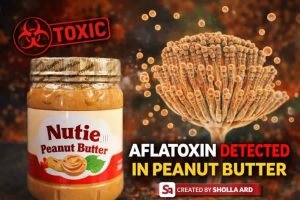
Director General for Health Patrick Amoth ordered the immediate halt of production and sale of four peanut butter brands — Nutie, Kismat, Pannaj, and Muleka — after laboratory tests found aflatoxin contamination levels far exceeding legal safety standards.
The numbers are damning. The accepted aflatoxin limit for peanut butter in Kenya is 15 parts per billion.
Some of the seized samples tested as high as 934 ppb — over 62 times the legal threshold. These are not trace levels. This is contamination on an industrial scale.
Aflatoxin — Lurking Danger
Aflatoxins are naturally occurring toxins produced by molds that grow on crops such as peanuts, particularly under poor storage conditions.
Long-term exposure can cause liver cancer, while high doses may lead to acute poisoning.
They are invisible to the naked eye, odourless, and tasteless — meaning consumers have no way of detecting them without laboratory testing.
Kenya is considered a world hotspot for aflatoxin contamination , a grim distinction the country has carried for decades.
The problem cuts across the food chain — from farm to factory to supermarket shelf — and it is not new.
Regulatory Failure
This latest suspension did not emerge from a vacuum. As far back as 2019 and 2020, the Kenya Bureau of Standards ordered the recall of multiple peanut butter brands over the same aflatoxin contamination problem.
Brands were banned, lifted, banned again. Factories were given time to “take corrective action.”
Yet here we are — in 2026 — with four more brands flagged, some at contamination levels that should shock any food safety regulator.
Despite the presence of laws and guidelines intended to curb aflatoxin contamination, many contaminated products remain accessible to consumers, resulting in notable health issues.
The Food, Drugs and Chemical Substances Act exists. The Public Health Act exists. KEBS standards exist.
What appears to be missing is consistent, aggressive enforcement before products reach millions of households.
What Govt Ordered
Counties have been directed to carry out inspections, seize all existing stock of the affected products from the market, and suspend factory operations until the matter is resolved.
Director General Amoth also urged industry stakeholders to scale up surveillance across all food products on the market.
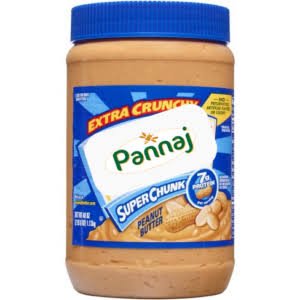
The specific affected products are Nutie (250g and 400g), Kismat (130g, 250g, and 800g), Pannaj (250g), and Muleka (250g).
Consumers who have purchased any of these products are advised to discard them immediately and report suspicious items to county health authorities.
Big Question
The suspension of four brands is a necessary step. But it is also a confession — that products carrying poison were sitting on Kenyan shelves until someone thought to test them.
Kenya has a food safety architecture on paper. What it has repeatedly struggled to deliver is a food safety architecture in practice — one that catches contaminated products at the source, not at the point of consumption.
With cancer already the third-leading cause of death in this country, and aflatoxin a known driver of liver cancer, the stakes of continued regulatory laxity are not bureaucratic. They are existential.
The question Kenyans deserve an answer to is not just which brands were contaminated. It is: how long were they on the shelves, and who was supposed to be watching?