Every time a Kenyan pays for a passport, driving licence or business permit online, they trust their money reaches the government.
That trust is now under serious strain. Public anxiety has intensified over revelations by the Auditor General on the integrity of the national revenue collection digital system
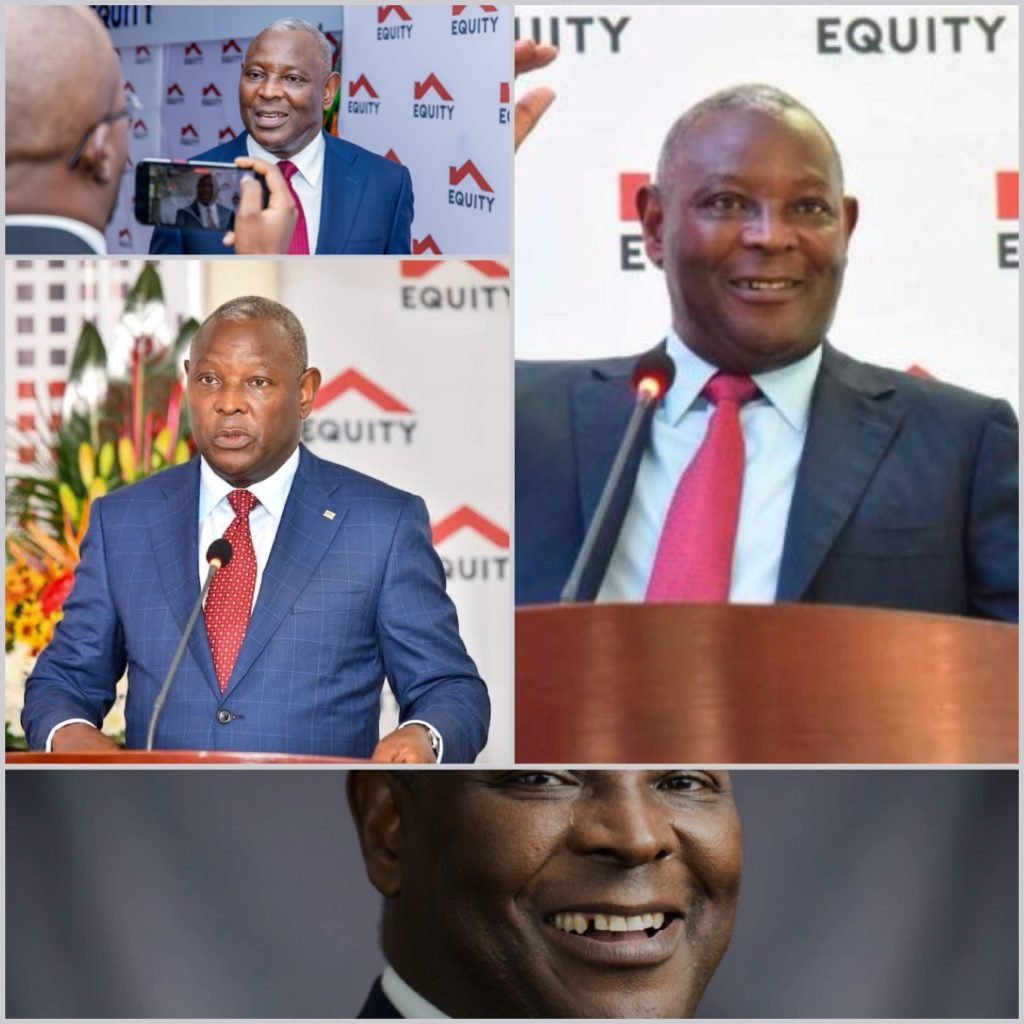
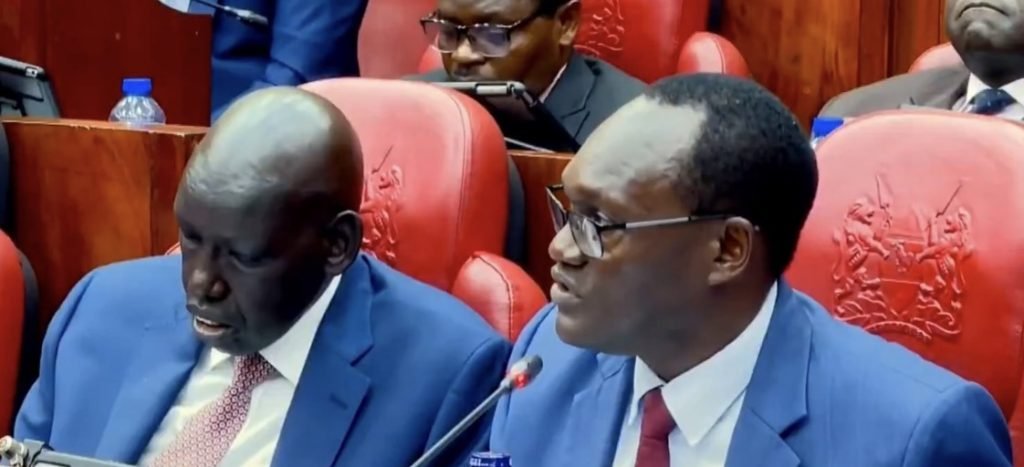
Parliament’s Public Accounts Committee (PAC), chaired by Butere MP Tindi Mwale, has summoned Equity Bank CEO James Mwangi to explain how billions of shillings in public revenue ended up in a private account at his bank — without National Treasury approval.
Account That Shouldn’t Exist
A special audit by Auditor-General Nancy Gathungu revealed that a PesaFlow account was opened at Equity Bank, into which proceeds from the government’s eCitizen platform were “irregularly deposited.”
Bank records showed the PesaFlow account received Ksh 68,719,877 and USD 48,142,844 — equivalent to approximately Ksh 6.3 billion.
The account was not among those officially approved by the National Treasury for revenue collection.
The total irregular dealings on the platform come to Ksh 9.4 billion, with the funds diverted and paid to private entities.
Equity Bank’s Damning Silence
The most explosive finding is not just where the money went — it’s what Equity Bank refused to show.
When auditors requested the bank statements for the PesaFlow account, the management of Equity Bank did not provide them.
This means auditors could not establish who the beneficiaries of any withdrawn funds were, nor confirm whether the money was retained or moved out immediately after deposits were made.
PAC wants to know why Kenya’s biggest bank by customer base stonewalled a government audit.
Questions MPs Are Asking
The committee wants heads of seven entities — including Equity Bank, the Attorney General’s office, PesaFlow Limited, Goldrock Ltd, Olive Media Limited, Webmasters Kenya and Electronic Citizen Solutions — to explain how they were licensed to collect funds from Kenyans, how approvals were granted, the amounts they are holding, and any possible diversion.
Specifically for Equity Bank, MPs want to know:
✅Why was the PesaFlow account opened without Treasury authorisation?
✅Why were bank statements withheld from the Auditor-General?
✅Who authorized and operated the account?
✅Where did the money go?
PesaFlow Web
PesaFlow’s founders have deep roots in Webmasters Kenya, the firm that built eCitizen.
Former Attorney General Justin Muturi once mentioned spotting two of the PesaFlow principals at State House during deal talks chaired by President Ruto.
The eCitizen ecosystem is controlled by a consortium — Webmasters Kenya provides the technical backbone, PesaFlow manages payments, and Olive Tree Media handles communications.
Yet the contract has no clear effective or expiry dates, and MPs fear the loopholes “could be explored at the government’s expense.”
The audit also found Sh549.69 million paid to Electronic Citizen Solutions, a company that was not party to the original agreement, and Sh2.6 billion collected as convenience fees without clear legal backing.
Bigger Scam
In a startling revelation, the audit team disclosed that they were denied access to critical data within the eCitizen system — a move that prompted sharp reactions from MPs who pressed Treasury officials to explain why auditors were blocked despite formal requests.
Rarieda MP Otiende Amollo called it a monumental scandal. Turkana MP Joseph Namwar branded the entire platform a scam. Samburu West MP Naisula Lesuuda and Aldai MP Marriane Kitany said the whole issue was a scam as it lacks a clear governance structure.
Treasury PS Chris Kiptoo told MPs the diverted funds have since been seized. But PAC isn’t buying a clean ending.
The committee wants James Mwangi — one of Africa’s most celebrated bankers — in that hot seat to account for what happened inside his bank’s walls.
The hearing will be one of the most consequential in Kenya’s recent parliamentary history.