Despite strong financial growth, Kenya’s insurance safety net faces governance questions over transparency and compliance.
Kenya’s Office of the Auditor-General (OAG) has raised fresh concerns over the Policyholders Compensation Fund (PCF), flagging the institution for collecting Sh1.36 billion in levies and penalties from insurers outside the government’s mandated e-Citizen platform — a direct breach of Treasury Circular No. 02/2024 issued in March 2024, which required all State corporations to channel revenue collections through the platform.
Of this amount, Sh1.33 billion was collected in levies and Sh25.59 million in penalties.
The failure to use e-Citizen is not an isolated concern — a separate audit finding reveals that Sh144 million collected by various government agencies through the platform in FY2025 could not be accounted for, deepening questions about the reliability of the very system PCF was directed to adopt.
The financial irregularities do not stop at collections. PCF disbursed Sh33.97 million in staff allowances that were never approved by the Salaries and Remuneration Commission (SRC), a statutory body that must sanction all public sector remuneration.
Auditors also flagged the absence of a clear policy on statutory management fees and weaknesses in imprest controls — governance gaps that paint a picture of an institution outpacing its internal accountability structures.
These findings arrive at a moment of notable institutional strength.
PCF’s asset base surged to Sh26.8 billion from Sh22.4 billion previously, while revenue climbed 28% to Sh4.96 billion.
The fund’s primary income stream — a 0.5% levy on insurance premiums — grew 2% to Sh1.31 billion during the review period.
Since the fund began compensation operations in 2021, it has paid out Sh207.3 million to 1,278 claimants, cementing its role as the country’s insurance-sector safety net.
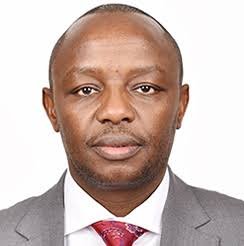
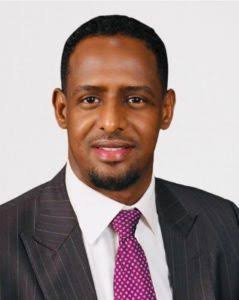
PCF is led by CEO Mohamed A. Sahal, appointed in December 2023, and chaired by Simon Mbugua — the former Kamukunji MP and East African Legislative Assembly member — who now heads the Board of Trustees.
The irony is stark: a fund growing robustly on paper is simultaneously struggling to demonstrate the fiscal discipline its mandate demands.
For a body entrusted with protecting ordinary Kenyans when insurers collapse, the audit signals that its own house needs urgent order.