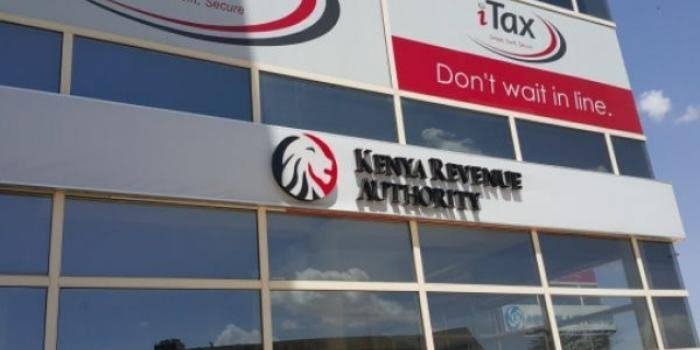
Mary Wambui Mungai vs. Google — Why Her Case Is Fundamentally Flawed ⚖️
📋 What She Is Actually Asking
✅Pull down 35 links covering her Sh2.2 billion tax evasion case from Google search results
✅Erase all stories about the KRA-initiated tax probe and the court case that followed
✅Claim the “right to be forgotten” because the ODPP withdrew the case on January 10, 2023
✅Argue that lingering search results damage her business reputation with foreign clients, donors, and partners
🚨 Why This Is Legally & Morally Untenable
The Withdrawal Was Itself Controversial
The case wasn’t dismissed on merits — it was withdrawn upon request by @KRACorporate, under a cloud of controversy
A controversial withdrawal is not an acquittal — it is not a finding of innocence
The public interest in knowing why a Sh2.2 billion case was dropped remains very much alive
2. The Robbery Analogy Holds Perfectly
A robber whose case is withdrawn via plea bargain or lack of evidence cannot erase court records
The charge, the arrest, the proceedings — these are matters of public record
Wambui is essentially asking Google to pretend the prosecution never happened — which is fiction, not law
3. Kenya’s Data Protection Act Does Not Cover This
She cites Section 25(a), (b) and (c) of the Data Protection Act — requiring data be processed fairly and with regard to privacy
But publicly filed court records and published journalism are not “personal data” in the private sense the Act protects
The Act was never designed to suppress legitimate public interest reporting on criminal proceedings
4. The European Precedent She Relies On Doesn’t Apply Here
The Gonzalez case involved outdated, resolved financial difficulties — a debt auction notice from years prior with no ongoing public interest
Wambui’s case involved Sh2.2B — not a minor personal matter
The EU right to be forgotten explicitly excludes matters of public interest — which a multi-billion shilling tax evasion probe clearly is
Kenya has no equivalent codified right to be forgotten in law
5. She Chairs a Public Body – @AthiWaterWorks
Wambui chairs the Athi Water Works Board —a public institution
Public officials are held to higher accountability standards, not lower ones
Her public role makes the tax evasion history directly relevant to her fitness for office
6. @Google Kenya Is the Wrong Respondent
Google Kenya Ltd correctly argues it is a separate legal entity that neither owns nor operates google.com or google.co.ke
The search engine is owned and controlled by Google Inc., registered in Delaware, USA
Her case against Google Kenya may collapse on this jurisdictional technicality alone
🔍 The Real Motivation
Four of the 35 links lead to KRA-published stories — meaning she wants to suppress the tax authority’s own public records
Her business involves foreign clients, donors, and international partners who conduct due diligence online
This is less about justice and more about reputation laundering ahead of business dealings
🏛️ What the Court Should Do
Dismiss the petition — the right to be forgotten cannot override the public’s right to know about criminal proceedings against a public figure
Reaffirm that journalism covering court cases is protected and not subject to erasure demands
Note that the controversial withdrawal itself may warrant further public scrutiny, not suppression.
⚠️ The Dangerous Precedent If She Wins
Every corrupt official whose case is tactically withdrawn could rush to court demanding Google scrub their history
Public accountability journalism becomes worthless if subjects can erase digital records post-controversy
Kenya’s nascent Data Protection framework would be weaponised as a tool of the powerful against the public interest