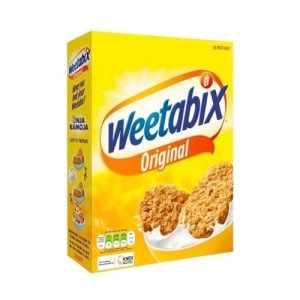
Kenya’s apex consumer lobby has fired a fresh constitutional missile at the breakfast aisle, dragging the Kenya Nutritionists and Dieticians Institute (KNDI), Weetabix East Africa, Brookside Dairy and the Ministry of Health into the High Court over a green-tinted “KNDI Endorsed” seal that’s been quietly stamped on cereal boxes across the country.
COFEK filed Constitutional Petition HCCHRPET/E518/2026 on 3rd August 2026, arguing the seal is nothing more than an unlawful marketing gimmick dressed up as a government stamp of approval — and that KNDI has no business issuing it at all.
In exchange, KNDI has been collecting tens of millions of shillings from subscribing agencies – while remaining quiet on manufacturers of similar products they do not endorse and or require their seal.
Core Allegation
COFEK’s argument is blunt: KNDI is a professional regulator for nutritionists and dieticians, not a food-labelling authority. Its founding statute, the Nutritionists and Dieticians Act, empowers it to train, register, license and discipline nutrition professionals — not to certify or endorse commercial products on supermarket shelves. That job, the petition says, belongs squarely to the Kenya Bureau of Standards (KEBS), which COFEK has named as an Interested Party precisely because the case cuts to the heart of Kenya’s regulatory turf wars.
In COFEK’s telling, the “KNDI Endorsed” mark rides on the coattails of KEBS’s own Diamond Mark, misleading ordinary shoppers into believing they’re looking at an official government quality guarantee — when in fact, the petition alleges, it’s an internally invented scheme with no Act of Parliament, gazette notice or statutory instrument behind it.
While KNDI, a Ministry of Health regulatory agency is required to analyze food nutrients and indeed its an offence for any manufacturer to market such nutrients, KNDI has nil legal and or moral authority to purport to guide consumers on product quality – in the manner KEBS is allowed by law.
Paper Trail
Weeks of Letters Before the Lawsuit. Court filings show COFEK didn’t rush to litigation. The organisation:
15 July 2026: Fired off a formal demand to Health Cabinet Secretary Aden Duale, asking him to order KNDI to drop the mark and audit every product carrying it.
21 July 2026: Demanded Weetabix pull the seal within and disclose whether any money changed hands for the endorsement.
22 July 2026: CS Duale responded by ordering KNDI’s CEO, Dr David Okeyo, to explain the legal basis for the mark within seven days, warning that ultra vires conduct could expose the Ministry to liability.
23 July 2026: KNDI fired back defiantly, insisting its endorsement was valid under a “97.35 percent” wholesomeness score and threatening to sue COFEK for “harassment,” while revealing the original Weetabix approval dated back to 15th March 2023.
30 July 2026: Weetabix’s lawyers rejected the demand outright, arguing the company merely relies on KNDI’s regulatory decisions and can’t be blamed for KNDI’s own statutory overreach — while threatening COFEK with a defamation and interference suit of its own.
With both KNDI and Weetabix digging in, COFEK says the dispute reached a “complete constitutional impasse,” leaving court action as the only option.
What COFEK Wants
The petition, running to thirteen prayers, asks the court to:
– Declare the entire KNDI endorsement scheme unconstitutional and ultra vires;
– Quash it via an order of certiorari;
– Bar KNDI from issuing, renewing or extending any further endorsements;
– Stop Weetabix and Brookside from representing their products as officially endorsed;
– Order KNDI to publish every policy and criterion behind the scheme; and
– Force the Ministry of Health to review the entire legal framework for product endorsements government-wide.
Fast-Tracked Court During Recess
In a sign of how seriously the bench is taking it, Justice Gregory Mutai admitted COFEK’s urgency application for hearing “during the High Court’s August vacation” — a rare concession usually reserved for genuinely pressing matters.
His directions, issued 4th August 2026, set a brisk timeline: service within three working days, responses within 14 days, rejoinders and submissions to follow, with a mention for compliance fixed for 24th September 2026.
Bigger Picture
Beyond Weetabix’s cereal boxes, the case reopens a familiar COFEK theme: statutory bodies quietly expanding their mandates into commercially lucrative territory without Parliament’s say-so.
COFEK’s letters pointedly note that KNDI’s CEO has served in the role for nearly two decades against a 4-year renewable term — and that KNDI has itself previously sued its own Cabinet Secretary over council appointments, raising fresh governance questions about the institute policing everyone except itself.
COFEK has urged the Government to have the position of KNDI declared vacant and advertised, soonest possible.
COFEK has also requested the Auditor General to conduct a special audit on KNDI public finances – and particularly unearth the millions received from Weetabix and Brookside.
COFEK speaks on authority, as it is a member of KNDI Governing Council.
For now, millions of Kenyan households eating Weetabix for breakfast are, whether they know it or not, at the centre of a constitutional showdown over who gets to tell them their cereal is “endorsed” — and on what legal authority.
Pending the outcome of the High Court, COFEK notes that consumer rights enjoy constitutional elevation as compared to KNDI which operates on a statute