Consumers have been warned over the presence of cereals contaminated with dangerous levels of aflatoxins circulating in local markets, raising fresh public health alarm.
The warning follows findings by the Kenya Agricultural and Livestock Research Organisation (KALRO) that market samples recorded contamination at levels far exceeding safety thresholds.
According to KALRO Director General Dr. Patrick Ketiem, some tested samples recorded aflatoxin levels of up to 500 parts per billion (ppb) — a staggering 50 times above Kenya’s maximum allowable limit of 10 ppb.
WHAT IS AFLATOXIN?
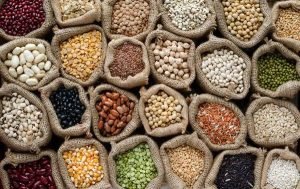
Aflatoxin is a highly poisonous and carcinogenic toxin produced by the fungi Aspergillus flavus and Aspergillus parasiticus, which contaminate agricultural products such as maize, groundnuts, sorghum, tree nuts, spices and dried fruits. 
Aflatoxin has been described as a major food safety crisis in Kenya, with endemic contamination reportedly affecting key staple crops such as maize, peanuts, and dairy products, mostly in the eastern region. 
The crisis has deep historical roots: according to KALRO, about 150 people from lower Eastern Kenya who consumed highly contaminated maize during the 2004 and 2005 cropping seasons died from the effects of aflatoxin. 
THE SCALE OF THE PROBLEM
In 2012, statistics showed that 65 percent of commercial flour on store shelves had been contaminated by aflatoxin, affecting milk, breast milk and peanuts. By 2020, approximately 50 percent of sampled products were still contaminated. 
A temporal analysis of surveillance data from 2012 to 2024, covering maize, wheat, sorghum and their products collected in Kenyan markets, confirms aflatoxin contamination as a persistent, systemic threat. 
Aflatoxin incidents are now being reported even in breadbasket areas such as Trans Nzoia and Bungoma counties, attributed to climate change and rising temperatures. 
COFEK POSITION
The Consumers Federation of Kenya calls on:
1. KEBS to immediately enforce the 10 ppb maximum limit and withdraw non-compliant products from markets nationwide
2. The Ministry of Agriculture to gazette a mandatory aflatoxin testing regime before cereals enter the retail chain
3. County Governments to operationalise local grain testing points to protect consumers at the grassroots
4. The Director of Public Prosecutions to consider prosecuting traders knowingly circulating contaminated cereals under the Consumer Protection Act, 2012
WHAT CONSUMERS SHOULD DO
• Avoid purchasing loose, unpackaged maize flour, sorghum or groundnuts from informal markets where testing cannot be verified
• Check for KEBS certification marks on packaged cereals
• Discard any grain that is mouldy, discoloured, or has an unusual smell
• Do not feed contaminated grain to livestock — aflatoxin bioaccumulates up the food chain, including in milk and meat
KALRO’S MITIGATION EFFORT
KALRO is promoting Aflasafe KE01, a biological control product developed in its laboratories, consisting of roasted sorghum coated with inactive microorganisms that suppress the growth of fungi that produce aflatoxins. The product reportedly curbs aflatoxin contamination by up to 80 percent. 
Most recently, Kenya exported its first consignment of 25 tonnes of Aflasafe to Uganda in May 2026, flagged off by KALRO Director General Dr. Patrick Ketiem, positioning KALRO Katumani as an emerging regional hub for aflatoxin management technologies