

Kenya’s consumer federation
If it cost you money,it is worth reporting.
COFEK takes up the cases Kenyan consumers cannot fight alone — unfair charges, unsafe goods, and services that never arrived. Independent, self-funded, and free to approach.
02 / Investigations
Investigations
COFEK Watch
Accountability reporting from the Federation’s watchdog desk.
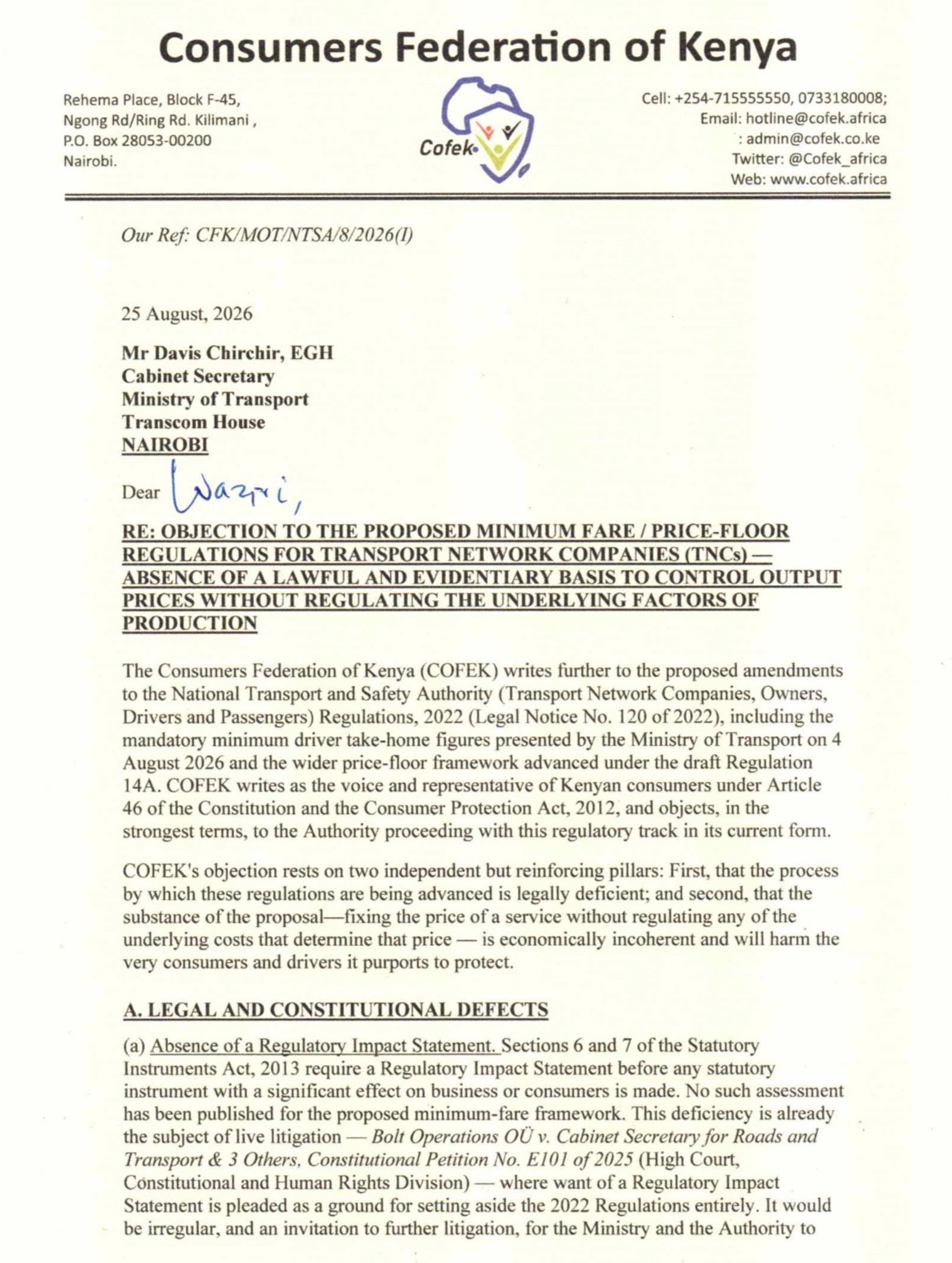
Why COFEK Is Fighting the Government's Proposed Minimum Fare for Taxi-Hailing Apps
On 4 August 2026, Cabinet Secretary Davis Chirchir's ministry unveiled mandatory minimum driver take-home figures, part of a wider price-floor framework being pushed into the National Transport and Safety Authority (Transport Network Companies, Owners, Drivers and Passengers) Regulations, 2022 through a new Regulation 14A.

Trunk migration strategy: Liberia accepts 1,200 USA deportees in exchange for lower tariffs and lifting of sanctions
Liberian authorities confirmed the agreement this week, with Information Minister Jerolinmek Piah telling reporters that the…

Goon Culture: COFEK Open Letter to H.E Dr William Ruto Urging for Immediate Cabinet Changes
Ref: COFEK/PRES/SH/WSR/08/2026 H.E William Samoei Ruto, CIC, CGH, President & Commander-in-Chief of the Kenya Defence Forces…
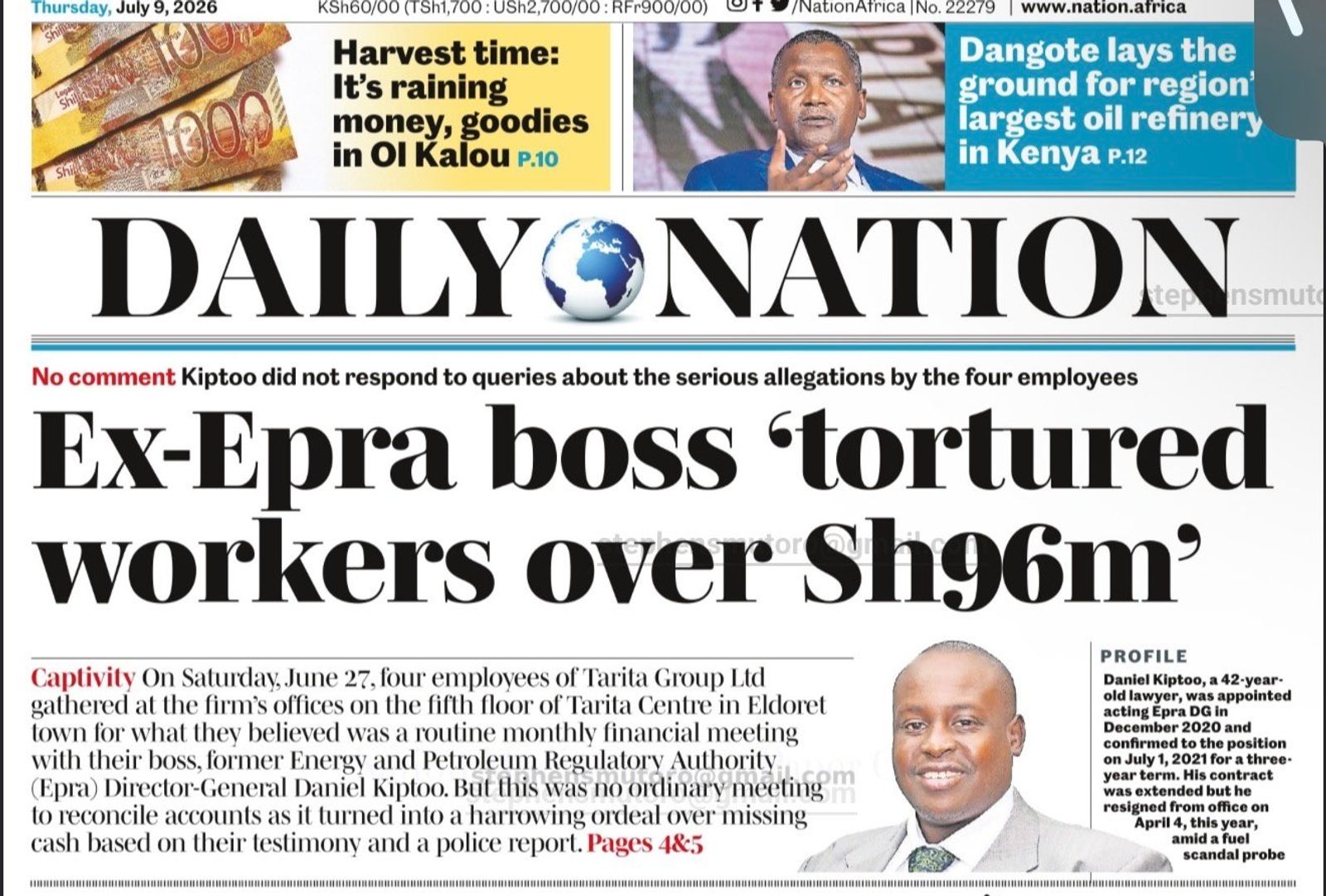
When Journalism Forgets Its’ Own Standards: A Critique of the ‘Daily Nation’ “Torture” Story on ex EPRA Boss Daniel Kiptoo
The Consumers Federation of Kenya (COFEK) has closely reviewed the ‘Daily Nation’s front-page and double-spread story…
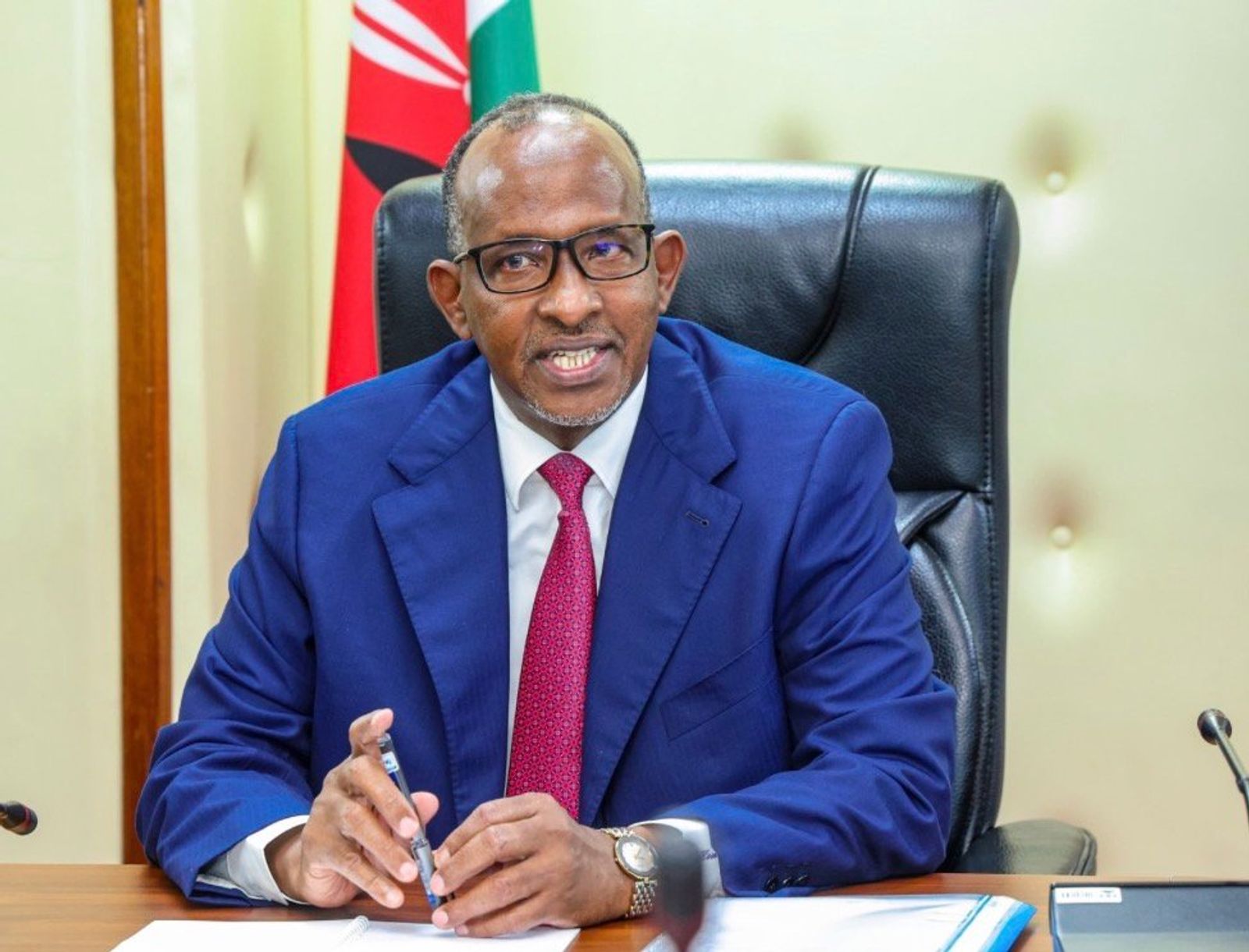
Ministry of Health to Post 6,360 Health Professional Interns to Different Medical Facilities on June 29
The Ministry of Health has concluded preparations for the 2026/2027 internship cohort. Pre-interns collect their offer…
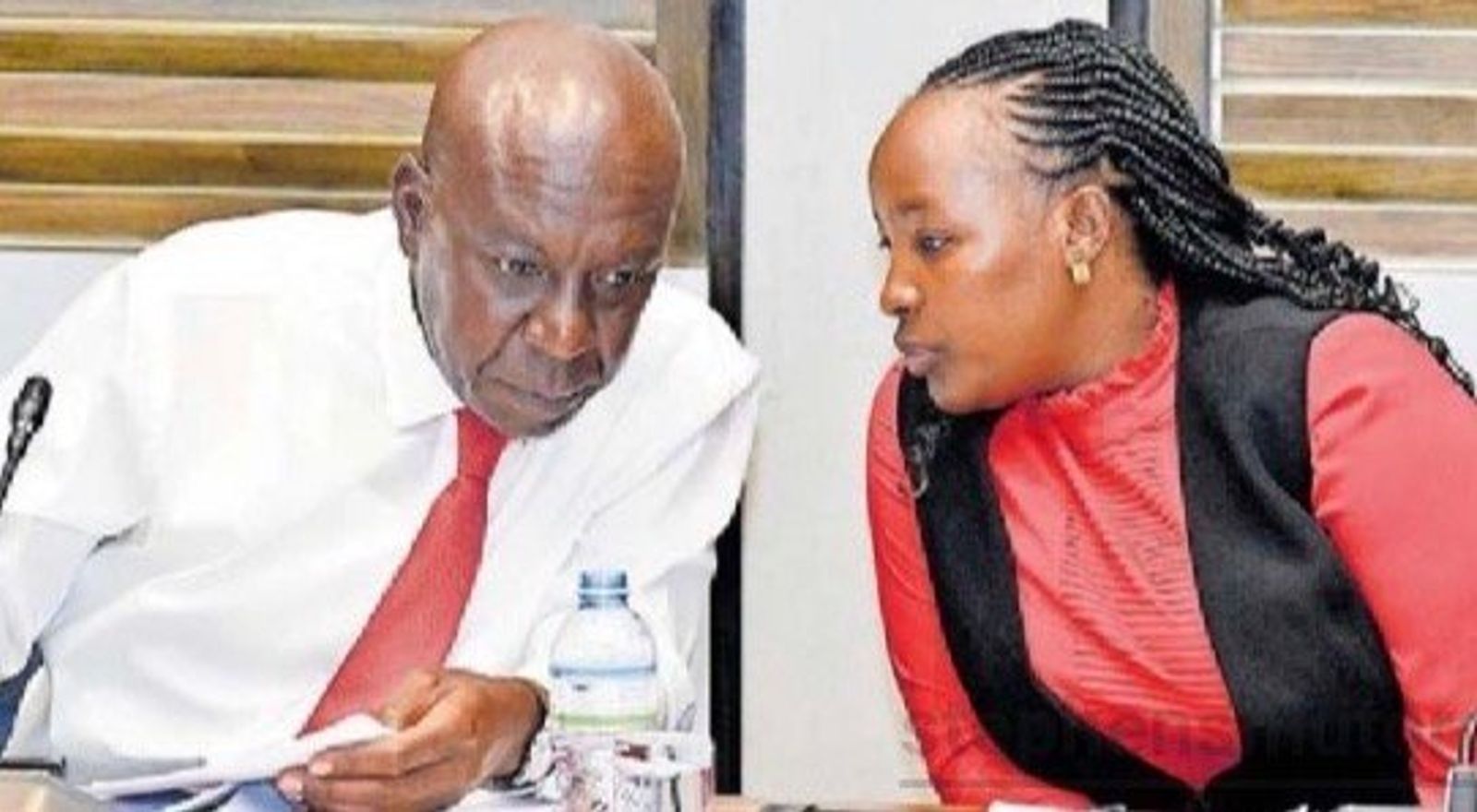
Inside Shameless Govt Proposal to Divert Wilson Airport Flight Path into the National Park to Save Rogue and Politically-Correct Developers
Nairobi, Kenya | 27 June 2026 A proposal now before Parliament has raised one of the…
03 / The record
Filed by the desk
Case 02 of 09
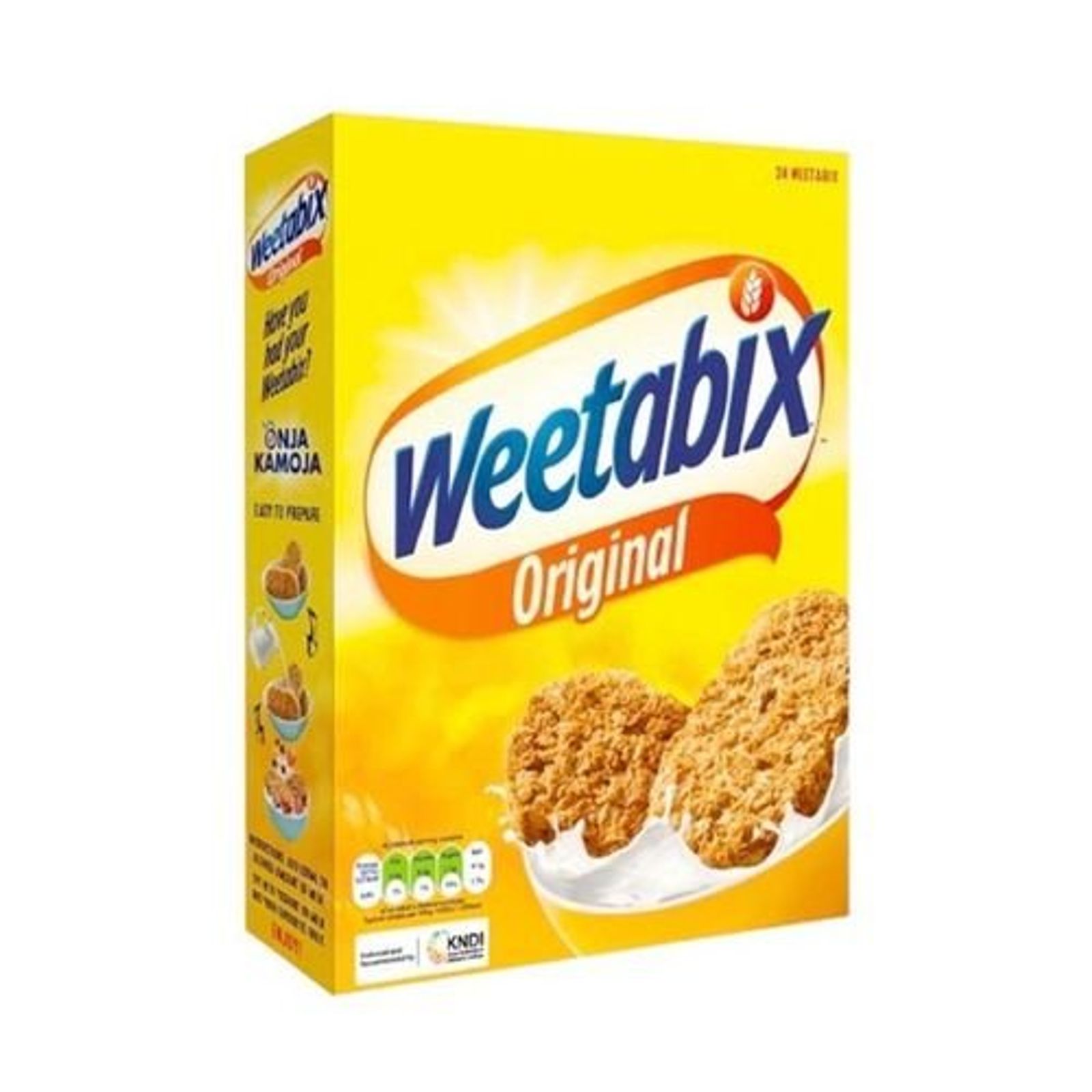
COFEK Drags Weetabix, Brookside, KNDI to Court Over “Fake” Endorsement Seal on Kenyan Breakfast Tables

Why the handling of Kenya’s in-bound travel insurance cover has the making of a huge scandal

JKIA “for Sale”, Again: How a Convicted Zimbabwean Fraudster, a Blacklisted Chinese Giant and a Complicit State Combined to Betray Kenyan Consumers

MV Mashallah Meth Haul: Is Someone Buying Time for a Diversion?

Closing the Gap: What It Takes for African Dental Schools to Reach World-Class Standing
Nairobi Metropolitan Authority: The Emerging Sodom & Gomorrah of Kenya’s Public Service

Are Kenya’s Dental Graduates Trained Under a Lawful Accreditation Framework? COFEK Demands Answers
04 / Institution
The Federation
Standing that is a matter of record
- Registered
- 26 March 2010
- Standing
- Founder Chair, Kecopac
- Reach
- All sectors of the economy
- Funding
- Independent and self-funded
Where the mandate comes from
InstrumentArticle 46
Constitution of Kenya, 2010
Gives every consumer an enforceable right to goods and services of reasonable quality, to the information necessary to gain full benefit from them, to protection of their health, safety and economic interests, and to compensation for loss or injury.
InstrumentAct of 2012
Consumer Protection Act
The principal statute governing unfair practices, disclosure obligations, unconscionable representations and consumer agreements across the economy.
InstrumentCap 504
Competition Act
Prohibits false or misleading representations, unconscionable conduct and the supply of unsafe goods, and establishes the consumer protection mandate of the Competition Authority.
05 / Opinion
Have your say
What Kenyan consumers think
The Federation runs an open question on the issues it is currently working on. Responses are indicative and are published once the poll closes.
06 / Policy
Policy
Consumer legislation
Bills, rulings and regulations that change what consumers pay and what they are owed.

COFEK Watch · 8 June 2026
Why COFEK is seeking to join Gambling Regulatory Authority petition, Cites consumer protection emergency
The Consumers Federation of Kenya (COFEK) is set to file an application to be enjoined as…

COFEK Watch · 6 June 2026
Who wants to grab the Nairobi Animal Orphanage land by relocating it to Bomas? Stop it!
KWS Director General Erustus Kanga announced the relocation of the 62-year-old Nairobi Animal Orphanage (NAO) from…

COFEK Watch · 5 June 2026
KETRACO: Case of fatal ethnic composition, Okumu petition and push to impose Kibias as CEO
Background: The Allegation of “Ethnic Capture” A public interest petitioner, Benjamin Okumu, filed a constitutional petition…
Advertisement
Your business here
Reach Kenyan consumers on the country’s most-read consumer affairs platform.
07 / Latest
Latest
More from the desks
- 05Jun 2026COFEK WatchLie that binds: NSSF false and misleading “clarification” on interpretation of the Court ruling misses the point6 min read →
- 01Jun 2026EnergyWhat CS’es Mbadi and Wandayi are doing on short-changing Kenyans who applied for KETRACO board positions6 min read →
- 29May 2026BankingCofek calls on StanChart Bank to address the hushed grievances of its unpaid pensioners ahead of its’ flagship Marathon race4 min read →
- 07Apr 2026EconomyCOFEK to Public Service CS: Gambling does not fit legally in your docket or that of HOPS3 min read →
- 21Mar 2026AviationSky-High Costs: Airlines Buckle Under Jet Fuel Crisis as Iran War Chokes Supply3 min read →
- 29Jan 2026CrimeCOFEK urges NTSA, police to change strategy in tackling impunity and chaos amongst Nairobi bodaboda riders2 min read →
08 / Subscribe
Consumer bulletin
What the Federation files, as it files it
Reporting from the COFEK Watch desk and the cases the Secretariat is taking up.