<script type=”application/ld+json”>
{
“@context”: “https://schema.org”,
“@type”: “NewsArticle”,
“headline”: “COFEK sues EPRA over carcinogenic fuel markers — SICPA SA named”,
“description”: “Kenya’s Consumers Federation files High Court petition challenging SICPA’s fuel marking programme over halogenated bromides found in petroleum supply.”,
“image”: [
“https://www.cofek.africa/images/article-hero-1200×800.jpg”
],
“datePublished”: “2026-05-31T08:00:00+03:00”,
“dateModified”: “2026-05-31T10:00:00+03:00”,
“author”: {
“@type”: “Person”,
“name”: “Stephen Mutoro”,
“url”: “https://www.cofek.africa/about”
},
“publisher”: {
“@type”: “Organization”,
“name”: “Consumers Federation of Kenya (COFEK)”,
“url”: “https://www.cofek.africa”,
“logo”: {
“@type”: “ImageObject”,
“url”: “https://www.cofek.africa/images/cofek-logo-600×60.png”,
“width”: 600,
“height”: 60
}
},
“mainEntityOfPage”: {
“@type”: “WebPage”,
“@id”: “https://www.cofek.africa/articles/sicpa-fuel-markers-petition”
},
“articleSection”: “Consumer Protection”,
“keywords”: “COFEK, fuel marking, SICPA, EPRA, Kenya, consumer protection, High Court petition”,
“inLanguage”: “en-KE”,
“isAccessibleForFree”: true
}
</script>
Three fronts — KRA powers, smartphone tax, and fake documents — are driving Kenya’s fiercest social media war since 2024
THE ONLINE REVOLT
Social media reaction to Finance Bill 2026 is overwhelmingly negative, with much of the conversation centred around the hashtag #RejectFinanceBill2026, according to an analysis of 3,000 posts on X published between May 2 and May 26.
The Bill is largely framed by users as punitive, misleading and economically burdensome, with only a small fraction of posts expressing support.
Even neutral posts tend to focus on questioning provisions or fact-checking claims rather than endorsing the proposed law. 
Three issues dominate the online backlash: expanded powers for the Kenya Revenue Authority (KRA), proposed taxation on digital payment platforms, and confusion over smartphone excise duty. 
1. KRA’s Third-Party Data Powers
The most prominent concern centres on a proposal that would allow KRA to use pre-populated data from third-party sources such as banks and telecommunications firms to estimate taxpayers’ income and determine the tax they are expected to pay.
Given the widespread reliance on mobile money in Kenya, especially among low-income earners, critics argue that the measure could disproportionately affect those who depend on such platforms for everyday transactions. 
2. Smartphone Excise Duty
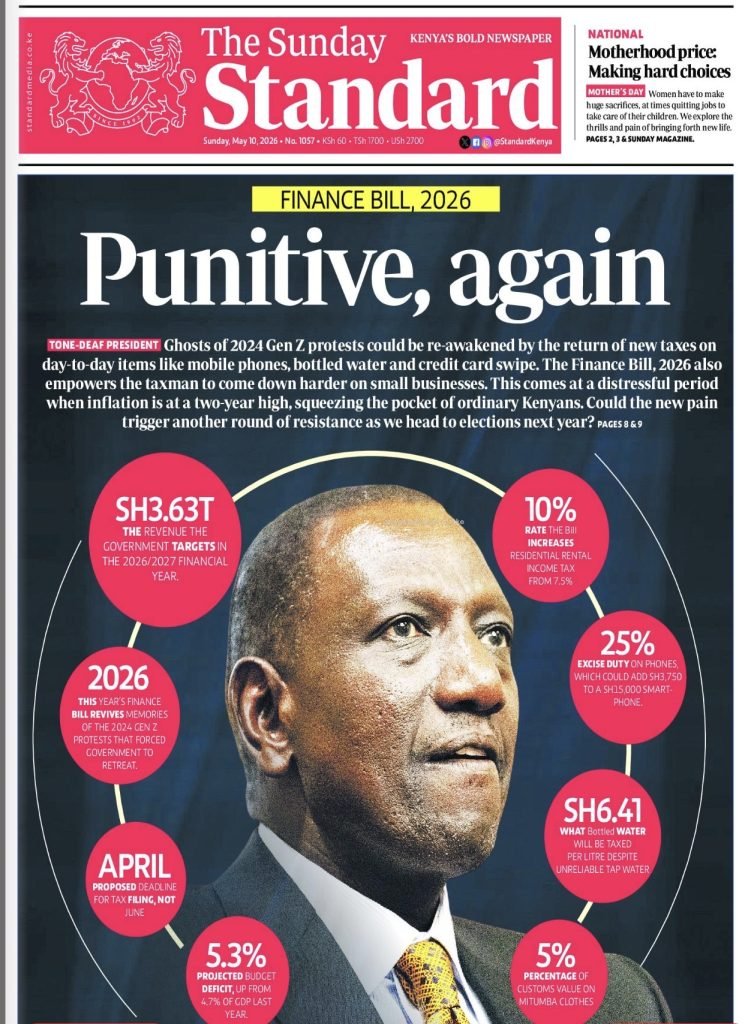
CS Mbadi visited various electronics shops in Nairobi’s CBD to explain the proposal, which seeks to introduce a 25 per cent excise duty on every mobile phone activated in Kenya.
According to Mbadi, the opposition has misinterpreted the provision, particularly to young people, claiming phone prices will rise. He maintained the provision is simply meant to streamline taxation by removing multiple tax layers, and would in fact make phones cheaper. 
However, many social media users remain unconvinced, arguing that messaging around the changes is unclear and potentially misleading. Concerns persist among traders and consumers about whether the changes will ultimately make smartphones more affordable or more expensive. 
3. Virtual Assets and Betting
The 20 per cent withholding tax on betting winnings has also sparked backlash. Concerns have also emerged over proposals requiring virtual asset service providers to share user data with KRA, raising fears over privacy.
 

THE FAKE DOCUMENTS CRISIS
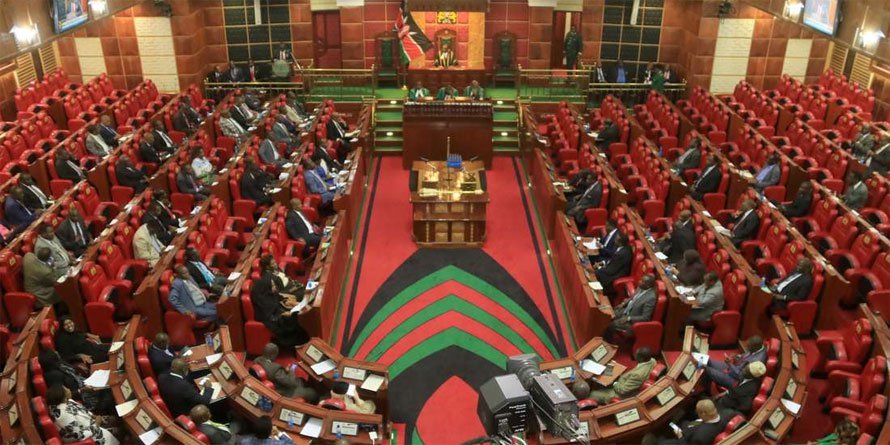
The National Assembly Finance Committee flagged misinformation as a major challenge in the ongoing review, warning that false claims are shaping public debate. Chairperson Kuria Kimani said some stakeholders have relied on unofficial documents, leading to confusion over key provisions such as rental income tax and Mitumba taxation. 
Parliament was forced to take up advertising space on newspaper pages to debunk misleading reports circulating online claiming that Finance Bill 2026 contains provisions requiring Kenyans to pay annual land rent on freehold land. In a clarification issued May 24, Parliament stated the claims were inaccurate and intended to mislead. 
Parliament was categorical: “The 2026 Finance Bill contains a total of 57 clauses, and none is on the subject of land. The Bill has no provisions on land rent.” Parliament also dismissed claims