Why Kinyua and Morintat Are Technically the Best CEOs of EPRA, but Politically, Youthful State House Lawyer Kipchumba Beats Them
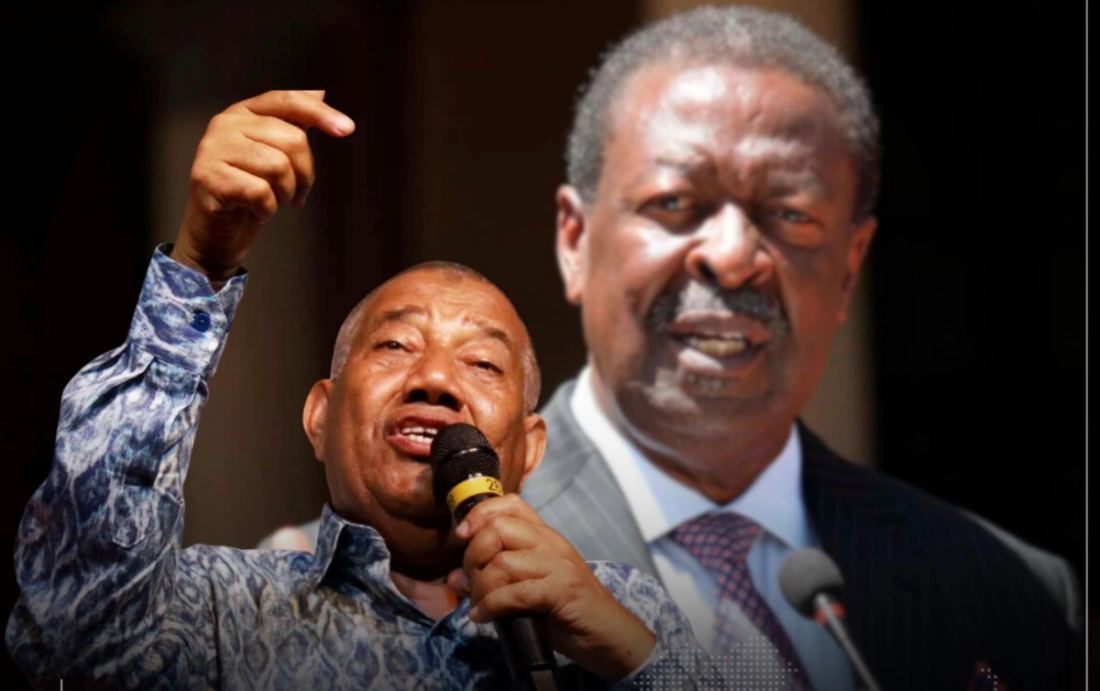
Leparan Ole Morintat, a former National Oil Corporation of Kenya CEO came second to Macharia Irungu as Kenya Pipeline CEO. On another hand, no insider at EPRA is as best suited as Edward Kinyua technically and by experience. Then in comes, the youthful State House lawyer, whose second name is a key asset. He reports to Jasper Mbiuki
The Energy and Petroleum Regulatory Authority (EPRA) has had no substantive head since Daniel Bargoria resigned in April 2026, with Joseph Oketch acting. In Kenya, the question of who runs a regulator is rarely settled by CVs alone.
The position attracted 88 applicants. 7 shortlisted for interview including insiders Eng Oketch, Dr Mutua and Mr Marona.
Three profiles show why: two engineers and managers who look best on paper, and one State House lawyer who may look better where appointments are actually made.
The technical case: Eng. Edward Mwirigi Kinyua
Kinyua is the insider's insider. As EPRA's Petroleum and Gas Director, he is responsible for the strategies that keep Kenya's petroleum sub-sector effectively regulated.
He holds an MSc in Energy Management from the University of Nairobi and a B.Tech in Mechanical and Production Engineering from Moi University. He is a registered professional engineer with the Engineers Board of Kenya and a corporate member of the Institution of Engineers of Kenya. His 14-plus years in the sector include a stint at Total Kenya.
He also fronts the hardest questions. In April 2026 he explained why National Oil and Kenya Pipeline were left out of the government-to-government fuel deal, and he is a public voice on Kenya's first commercial crude, slated for 1 December 2026. No candidate understands EPRA's daily machinery better.
The technical case: Leparan ole Morintat
Morintat brings a different strength: commercial and institutional breadth. He is a former CEO of the National Oil Corporation of Kenya, with more than 23 years across oil and gas, energy, infrastructure and ICT. His employers include Shell, Mitsui & Co. (where he led energy and infrastructure project development in Eastern Africa), MultiChoice Africa and Equity Bank. He also ran d.light's operations across Ethiopia and the Horn of Africa.
He holds an MBA from USIU-Africa and a BCom in Accounting from Daystar, and sits on the board of the Petroleum Institute of East Africa. He also belongs to KIM, MSK, KISM and KOGA. Having run the state's own oil company, he knows the industry from the trading side as well as the regulatory one.
The political case: Oliver Kipchumba Karori
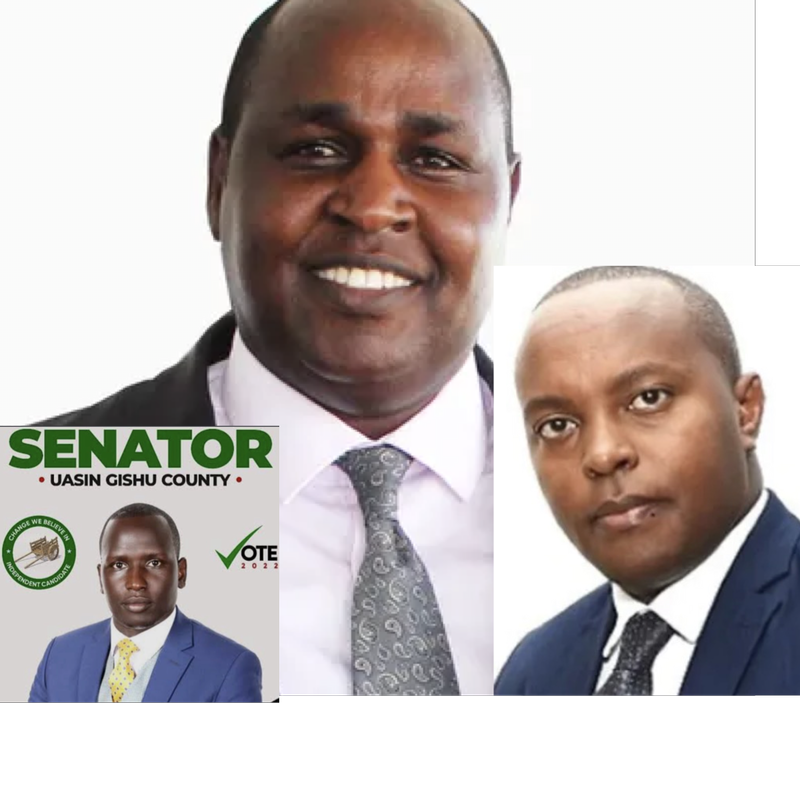
Kipchumba's CV is very thinner and in-existent on energy experience and thicker on power. He is an advocate of the High Court and a former litigator at Milimani. In 2022 he ran for the UDA Senate ticket in Uasin Gishu, finishing second to Jackson Mandago.
By May 2024 he was reported as legal counsel secretary at State House. His wedding drew First Lady Rachel Ruto, Chief of Staff Felix Koskei and Musalia Mudavadi, a guest list that says more about his access than any resume.
He also has a credible substantive argument. EPRA is a litigation-heavy regulator. Pump-price reviews, licensing decisions and import arrangements are routinely challenged in court, and the Authority's last substantive Director General, Bargoria, was himself a lawyer who had advised the Ministry of Energy and helped draft the Energy Act and Petroleum Act. Precedent, in other words, favours a legal mind at the top.
Then there is age and image. Media call Kipchumba "youthful," which suits a political moment that rewards generational change ahead of 2027.
Why politics tends to win
Regulators sit on fuel prices, and fuel prices sit on ballots. A head who is trusted by the appointing authority, understands the legal exposure and can be relied on in a pre-election year is attractive in ways an engineer's technical depth is not. Kinyua's and Morintat's excellence is real, but it is also the kind that makes people say "he should stay where he is." Proximity, by contrast, gets people moved.
The consumer test
Political strength is not regulatory strength. Kipchumba has no documented energy-sector record, and his exact appointment date and academic details are not publicly confirmed. A regulator seen as an extension of State House invites a credibility problem the moment prices rise. The technical candidates' risks are milder: Kinyua's role in defending the G-to-G arrangement makes him a target, and Morintat's industry ties would need clear conflict-of-interest handling.
The way out is process, not personality. EPRA's leadership should be chosen through a published, competitive recruitment with declared interests and a shortlist the public can scrutinise.
If political proximity wins anyway, consumers should demand the kind of independence and transparency that only a visible process can provide.
In terms of ethnic diversity, the energy sector has two Luo CEOs (KETRACO & NOCK); 2 Kamba (REREC & KPC); 2 Kalenjin (GDC & KPLC); 1 Kikuyu (KenGen) and 1 Luhya (NuPEA). The rest of Kenya has none.
The recent past CSes have been from the Kalenjin and Luo communities.
Filed underEnergy, Petroleum, Regulatory, Authority, Kenya, Pipeline, EPRA, COFEK