Why the Growth of ArtCaffe and Java Raises Questions: Are Kenyans jostling for restaurants, or spending more time in them?
Kenyans are filling up tables at both Java and ArtCaffe restaurants in Nairobi and other urban areas. Are they replacing the need for freelancers to rent offices? Or what is simply attractive here?
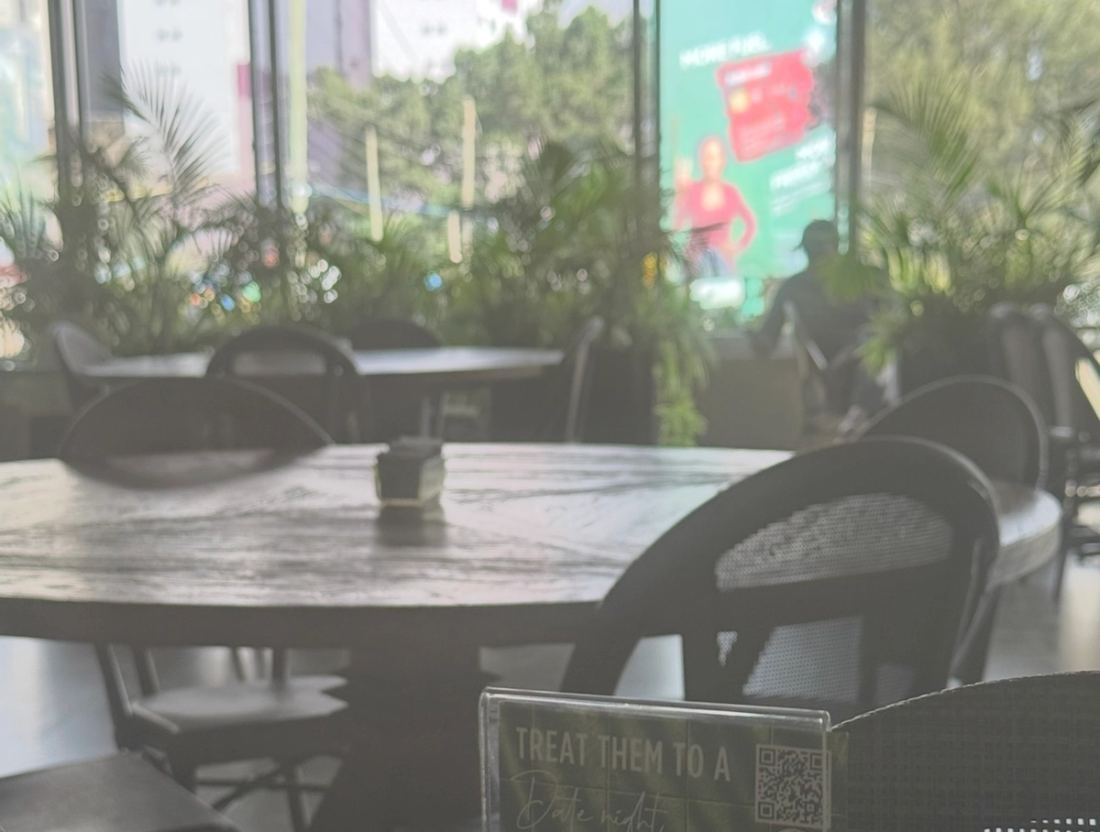
Walk into any Java House or ArtCaffe branch in Nairobi on a weekday afternoon and you will struggle to find a free table.
Laptops are open, meetings are underway, and the queue for a table sometimes rivals the queue for coffee.
On the surface, this looks like a straightforward growth story: two homegrown chains riding a wave of Kenyan prosperity.
ArtCaffe, a single outlet in 2008, has grown to more than 60 restaurants and 10 food markets, and is targeting 700 new jobs in 2026 as it pushes into Thika, Tatu City, Nakuru, Eldoret, Kisumu and Voi. Java House has crossed 100 outlets across Kenya, Uganda and Ethiopia, with its newest Syokimau branch explicitly chasing growth unlocked by the SGR and the Nairobi Expressway.
But the growth invites a sharper question than “why are these brands doing so well?”
It invites two separate ones, often conflated: are more Kenyans dining out, or are the same Kenyans spending more time and money per visit? The distinction matters, because each tells a different story about the economy.
The expansion pattern suggests the chains are betting on the first — that demand is broadening geographically.
Java's leadership has been explicit that new branches follow “high-growth nodes” anchored by infrastructure, not existing demand.
ArtCaffe's move into satellite towns is the same wager: that a growing urban middle class will follow the roads and the malls.
This is supply-led expansion, financed in part by private equity (ECP bought a majority stake in ArtCaffe for Sh3.5 billion in 2018, and has since added mezzanine financing from Phatisa Food Fund 2 for the next phase).
The second question — why existing customers linger longer — has a more cultural answer.
These chains have stopped functioning as restaurants in the narrow sense. They have become Nairobi's default “third space”: an office for the freelancer without a desk, a boardroom for the entrepreneur without a conference room, a living room for the young professional whose apartment is too small to host.
Free WiFi, all-day menus and comfortable seating were never just amenities; they are the product.
A generation of remote and hybrid workers, gig economy operators and small business owners has effectively outsourced its workspace to the coffee chain, and the chains have built their footprint around that reality — hence the emphasis on spaces that “combine food, socialising, work and entertainment,” in ArtCaffe's own framing of its expansion strategy.
Here is where the growth story gets uncomfortable. The same period that has produced packed Java and ArtCaffe branches has also produced reporting on middle-class Kenyans abandoning restaurant lunches altogether, switching to packed lunches to survive a punishing cost of living.
Both things are true at once, and that tension is the real story. Kenya's formal middle class, by the Institute of Economic Affairs' own reckoning, is a relatively thin slice of the population — a few hundred thousand wage earners in a country of over 50 million.
A Sh500 meal, unremarkable to a Nairobi professional with a car and a mortgage, is a genuine stretch for the far larger population still pricing lunch in coins, not notes.
So when a table at Java or ArtCaffe looks permanently full, it is not necessarily evidence that Kenyans broadly are more prosperous or eating out more often.
National Treasury Secretary John Mbadi claims many Kenyans drinking soda is evidence of better disposable income. It’s unclear if the same can be said of Java and ArtCaffe.
It may equally be evidence of concentration: a smaller, more visible band of urban earners — plus a growing contingent of remote workers who now treat these cafes as their primary workplace — spending more time and more money at the same handful of tables, simply because there are few comparable alternatives.
Nairobi has scarce public work-and-meet spaces — no real network of libraries, business centres or subsidised co-working hubs — so the market has privatised that gap, and priced it accordingly.
That reframes the expansion itself. Every new branch in Thika, Eldoret or Syokimau is not simply chasing existing appetite; it is also a bet that disposable income, remote work culture and “third space” habits will migrate outward from Nairobi as fast as the roads and rail lines do.
If that bet is right, the chains will have helped manufacture the very middle class they are counting on.
If it is wrong, or if it concentrates gains among people already comfortable, the packed tables will keep telling a story of broad-based prosperity that the wider economy does not yet support.
The honest answer to the opening question, then, is neither purely “jostling for restaurants” nor simply “spending more time” in them.
It is that a narrowing, urbanising slice of Kenya has adopted the coffee shop as office, boardroom and living room all at once — and two ambitious chains are now racing to expand that arrangement into towns where it may not yet exist.
Are Kenyans jostling for restaurants, or spending more time in them?
Filed underJava, ArtCaffe, Restaurant, Nairobi, Coffee, WiFi