Why COFEK has moved to the PPP’s Petition Committee to Challenge the Dangote Lamu Refinery Project
The project has been described as a refinery of about 700,000 barrels per day. Reported costs run from US$15 billion to US$20 billion, with completion around 2030.
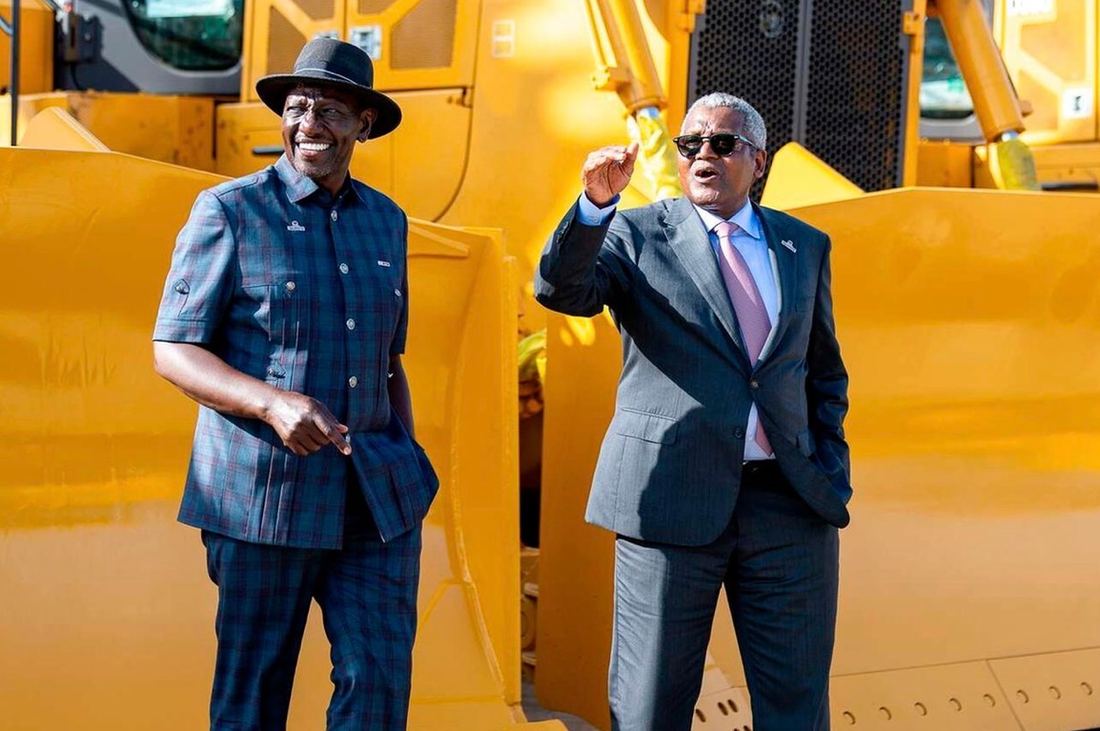
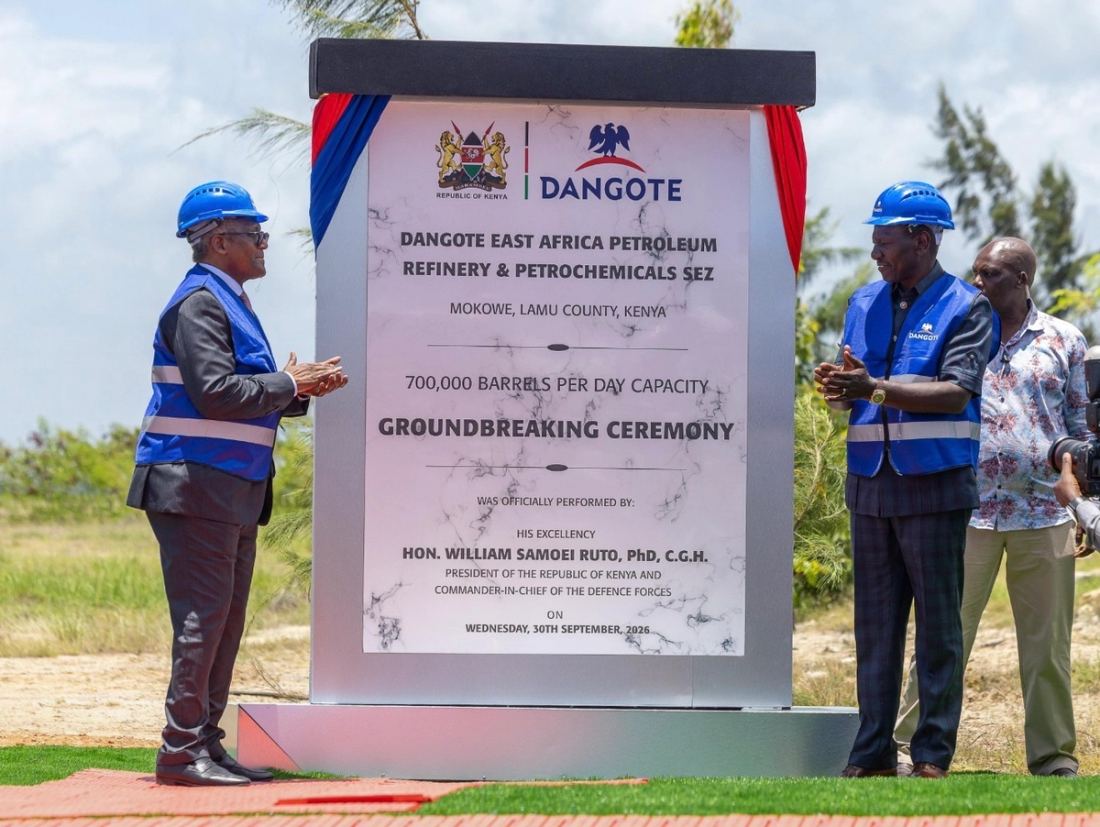
The Consumers Federation of Kenya (COFEK) has filed a petition over the proposed Dangote East Africa Oil Refinery and Petrochemical Complex at Lamu.
The petition was not filed in the High Court. It went to the Public Private Partnerships Petition Committee. The choice was deliberate, and it rests on law, not convenience.
What triggered the petition
The project has been described as a refinery of about 700,000 barrels per day. Reported costs run from US$15 billion to US$20 billion, with completion around 2030.
Kenya's role is where the questions begin. Public reports point to equity through the National Infrastructure Fund.
The 2026/2027 Budget reportedly sets aside KSh 21.5 billion as seed capital. Kenya's proposed ten per cent stake has been valued at about US$500 million.
On 29 September 2026, the National Treasury Cabinet Secretary John Mbadi reportedly said negotiations on Kenya's stake were still ongoing. The same day, the President affirmed that the project would proceed. Groundbreaking was set for 30 September.
For COFEK, that sequence was a warning sign. A project can move ahead while the terms of public money, public land and government support remain hidden.
By the time the details emerge, the commitments may already be binding.
What COFEK is asking
The petition does not allege corruption, and it does not accuse any named person of secretly acquiring shares. It says so expressly.
Its case is about process and records. COFEK wants to know:
Which contracting authority approved the project? Was it treated as a PPP, and by which procurement route? Were appraisal, feasibility and value-for-money tests done? How much of the KSh 21.5 billion is budgeted, committed and actually paid?
Other unanswered questions — Who owns the Kenyan project company and the vehicle holding Kenya's stake? What land is being used, value and on what terms? And has government promised any offtake, price support or electricity purchase?
These matter to ordinary Kenyans. Fuel is an input into transport, food and nearly every other good. Any binding purchase promise or market protection could end up in consumer prices or on the taxpayer's bill.
Article 46 of the Constitution protects consumers' economic interests, and COFEK says the actual terms are needed to judge that risk.
Why the PPP Petition Committee
The answer lies in the Public Private Partnerships Act, 2021. Section 75 creates a statutory review route. It covers decisions of the Directorate, the PPP Committee or a contracting authority on a tender process or project agreement.
This route exists for exactly this kind of dispute. The Act sets up the approvals, the procurement routes and the publication duties. It also sets up a body to review whether they were followed.
COFEK argues that Parliament placed this review before a specialised committee. That committee is distinct from the PPP Committee, which is the second respondent. Under section 80, it can issue a decree recording its decision.
Why not go straight to the High Court?
The reason is the doctrine of exhaustion. Where Parliament creates a specific dispute mechanism, courts expect parties to use it first. Kenyan courts have repeated this principle for decades, since Speaker of the National Assembly v Karume.
Skipping the statutory forum carries real risk:
✅Jurisdiction. A court may decline to hear the matter. It may say the PPP Act already provides the forum.
✅Time and cost. A premature filing could be struck out. That would waste months while the project advances.
✅Expertise. The Committee deals with PPP classification, appraisal and procurement every day. These are the technical questions at the centre of the petition.
✅Remedies. The Committee can order production of records. It can set aside an approval and remit it for lawful reconsideration. It can also direct publication under sections 43(14) and 69.
The constitutional provisions are not abandoned. The petition cites Articles 10, 35, 46, 47, 201 and 227. But it uses them to inform how the Act is applied, and it invokes section 75 as its source of jurisdiction.
The petition says as much: the constitutional provisions guide the Act's application, while the jurisdiction invoked is the review power in section 75.
Keeping the High Court open
Choosing the Committee does not close other doors. COFEK has already challenged the National Infrastructure Fund arrangements and the reported KPRL–Gulf Energy storage deal separately. The petition mentions those matters only to flag overlap. It asks for no ruling on them here.
Going through the statutory route also strengthens any later court case. A record produced under section 75 will show what was approved, by whom and when. If gaps remain, a court can then assess them on firmer ground.
The remedies sought
The prayers are measured. COFEK asks the Committee to:
- Identify the contracting authority, procurement route and reviewable decision.
- Order production of the project, financial, land and ownership records within seven days. Where a record does not exist, the respondent must say so.
- Set aside the approval to proceed, to the extent of any non-compliance, and send the matter back for lawful reconsideration.
- Require appraisal, due diligence, participation and approvals to be completed before public commitments are implemented.
- Direct the publication the Act requires, with justified redactions.
On confidentiality, the petition does not demand unrestricted disclosure. It accepts that exempt material can be redacted or produced confidentially to the Committee. Public commitments, however, must be visible.
Way forward
COFEK's message is simple. Big projects are welcome, but public money, public land and public risk must follow the law.
The petition does not say the refinery is unlawful. It says Kenyans cannot yet tell, because the records have not been shown. The PPP Act gives a forum to demand them, and COFEK went there first because the law points that way.
“We urge President Ruto and his government to tone down on those criticizing the Dangote Lamu Refinery project. We are aren’t opposed. We are only seeking clarification in the public interest. Mr Dangote is welcome to invest in Kenya but he must be reminded that Kenyans paid with their own blood to be enjoying our current democratic space.
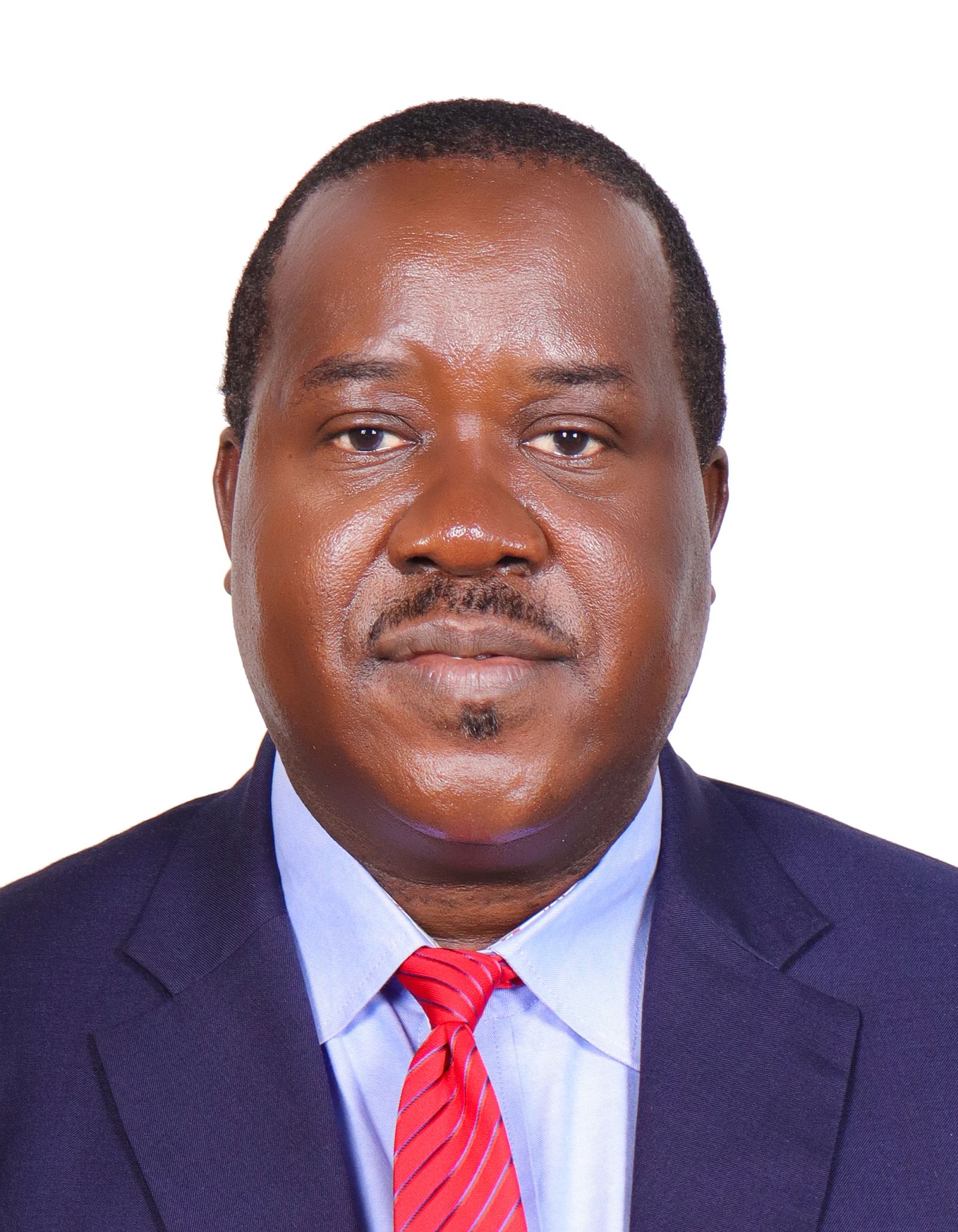
“He shouldn’t be seen to be above the Kenyan law merely because he is fronting a huge project funded by many third parties including the taxpayers”, said Stephen Mutoro, COFEK Secretary General
Filed underDangote, Lamu, Refinery, Ruto, Kenya, COFEK