Pain for Travellers and the Economy as Kenya Is Shut Off From the World
Departures have faced delays of two to three hours, with Kenya Airways reporting that as of mid-afternoon only a fraction of its scheduled flights had departed.

Kenya’s two busiest gateways, Jomo Kenyatta International Airport (JKIA) and Moi International Airport (MIA), are into a second day of paralysis after aviation workers resumed a go-slow over unmet terms of a July agreement with the government.
The result: stranded passengers, cancelled connections, and a national carrier bleeding money at foreign airports it cannot fly home from. The Kenya Aviation Workers Union (KAWU) restarted industrial action after accusing the government of failing to honour a memorandum of understanding signed to end an earlier strike.
Departures have faced delays of two to three hours, with Kenya Airways reporting that as of mid-afternoon only a fraction of its scheduled flights had departed.
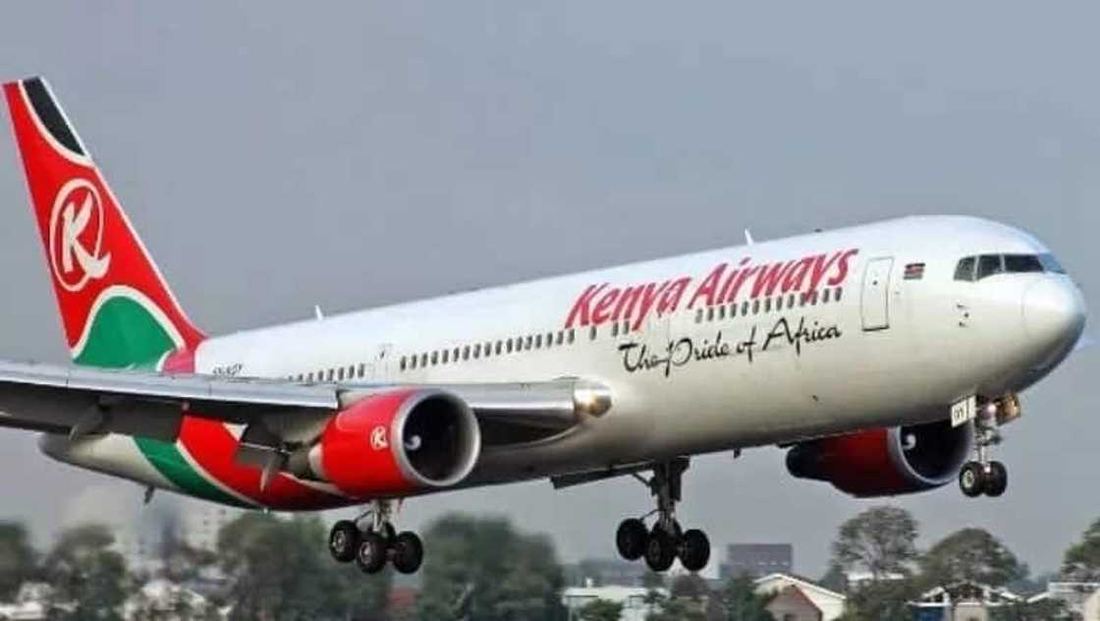
Inbound flights are now also being cancelled — meaning travellers meant to leave Kenya are stuck, while visitors who should be arriving are simply not coming. Kenya Airways, which runs its entire hub-and-spoke network out of JKIA, is arguably the biggest single casualty.
Aircraft are stranded at foreign airports unable to fly back, forcing the airline to compensate delayed passengers while absorbing parking fees, crew costs, and network-wide knock-on delays.
Other carriers — Qatar Airways, Emirates, Ethiopian, RwandAir and others — have also been swept into the disruption.
The human cost is immediate: passengers travelling for medical treatment and urgent business have been left with no clarity on when — or whether — they will make their connections.
But the economic cost runs deeper. Tourism industry voices, including Kenya Tourism Federation figures like Mohammed Hersi, have warned that repeated aviation disruptions threaten Kenya’s push to hit five million visitor arrivals by 2027, and risk pushing travellers toward regional rivals such as Zanzibar.
Hotels, exporters relying on air freight, and the already loss-making national carrier all stand to lose further ground with every hour the disruption drags on.
This is not an isolated event. Kenya’s aviation sector has been rocked by repeated rounds of industrial unrest through 2026, each time raising the same unresolved question: why does the underlying air traffic control staffing and pay dispute keep resurfacing instead of being permanently settled? Government Gone Quiet: What has drawn the sharpest criticism is not the strike itself but the near-total silence from the state.
Days into the disruption, there has been no public statement from the Cabinet Secretary for Transport, no word from the Principal Secretary, and no sign of an emergency intervention to get striking workers and government negotiators back to the table.
The only visible communication has come from the Kenya Airports Authority (KAA) — a procedural advisory acknowledging delays and asking passengers to “contact their airlines,” alongside near-identical short statements pointing travellers to a customer service line.
Such updates carry no substance: no timeline for resolution, no explanation of what specifically is unresolved from the July agreement, and no accountability for why a deal signed weeks ago collapsed so quickly.
For an airport system that markets itself as East Africa’s premier aviation hub, the absence of ministerial leadership during a crisis affecting thousands of travellers a day is conspicuous. Every hour JKIA and MIA remain in disarray, Kenya’s credibility as a reliable air hub takes a further hit — just as the country is trying to position itself for a major expansion in tourist arrivals.
Until the government engages directly and transparently with KAWU’s grievances, passengers, airlines, and the wider economy will keep absorbing costs that were entirely avoidable.
The question Kenyans are now asking is simple: who is actually in charge of fixing this? How long will it go before normalcy is restored?