Convicted Dutch Paedophile Back Under Investigation — This Time for What He Did to Kenyan Children
A pattern spanning three decades and two countries Vriens, now 74, was first convicted in the Netherlands in the early 1990s for abusing six children and served part of a three-year sentence.
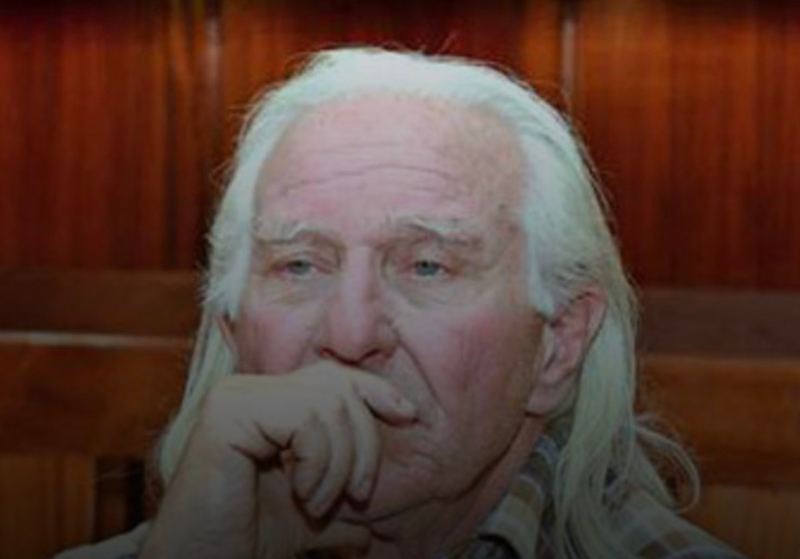
Dutch police and prosecutors have opened a fresh criminal investigation into Hans V. — long known in Kenya as Hans Egon Dieter Vriens — over sex crimes he is suspected of committing during his years living and working at orphanages in this country.
At an initial hearing before the court in Den Bosch this week, prosecutors described the alleged conduct as “very serious sex offences,” including the repeated rape of a young girl over several years, indecent acts against another child, and the production of child sexual abuse material dating back to 2011. For Kenyan consumers of child-welfare and charitable services, this is not a foreign crime story. It is a domestic accountability failure playing out, again, on someone else’s court calendar. A pattern spanning three decades and two countries Vriens, now 74, was first convicted in the Netherlands in the early 1990s for abusing six children and served part of a three-year sentence.
He left for Kenya in 2011 — after his prison term — and went on to work at orphanages here, where he built the trusted, caregiving persona that predators exploit.
Kenyan authorities eventually charged him, in a case involving allegations from at least 21 children. That prosecution collapsed in 2023 after children and parents withdrew their statements, a reversal Dutch prosecutors now say they suspect was procured through bribery or intimidation. Because that Kenyan case was concluded, Vriens cannot be tried again here for the same acts — a legal dead end that COFEK finds deeply troubling, not because the law is wrong, but because it exposes how easily a well-resourced, mobile offender can outlast a system built to hold him. Dutch investigators say material recovered from his phone showed a continuing interest in children, and a separate 2017 allegation of possessing child sexual abuse images in Kenya was never pursued to conclusion.
Only now, years later and in another jurisdiction, is real accountability being attempted.
Why this is key: COFEK’s mandate extends to the safety of vulnerable consumers of care services — and children in institutional homes are among the most defenceless consumers this country has.
This case sits alongside other recent findings, including the March 2025 Kenyan conviction of a separate Dutch national for child rape videos and abuse committed at a Kenyan facility, and ongoing scrutiny of children’s homes more broadly.
Together they point to a recurring failure: weak vetting of foreign nationals operating charitable institutions, inadequate coordination between Kenyan and foreign law enforcement on offender histories, and a justice process vulnerable to witness interference when victims are children from poor or unsupported families. COFEK’s position
1. Cross-border offender alerts: Kenya needs a functioning mechanism — through Interpol and bilateral channels — to flag convicted foreign sex offenders seeking to work with children here, before they are hired, not after victims come forward. 2. Protect witnesses, not just prosecute cases: The 2023 collapse driven by alleged bribery and intimidation of child witnesses and their families demonstrates that Kenya’s witness protection regime is inadequate for cases involving minors and powerful, well-funded accused persons. 3. Regulate and audit children’s institutions: Orphanages and children’s homes accepting foreign staff or founders should face mandatory background checks, regular safeguarding audits, and clear reporting lines to the Directorate of Children’s Services. 4. Cooperate fully with Dutch prosecutors: COFEK calls on Kenyan authorities to support the Netherlands’ investigation with any evidence, records, or witness access that can help secure accountability the domestic case could not deliver. Justice delayed for these children should not mean justice denied.
COFEK will continue tracking this case and pressing for the institutional reforms it exposes.