How Central Bank of Kenya is Slowly But Surely Blacking Out Shell Banking Institutions
Kenya remains on the FATF "grey list" since February 2024 over anti-money-laundering deficiencies; shell banks and opaque foreign representative offices have been flagged as conduits for illicit flows.
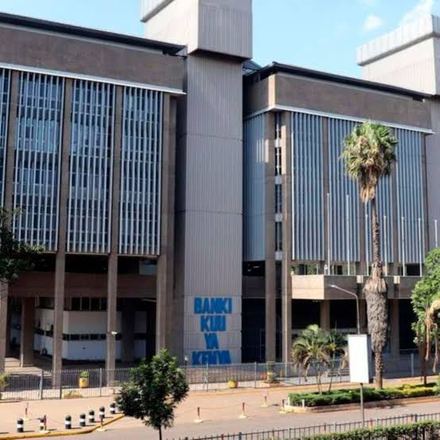
What's banned: CBK would refuse banking licences to shell banks (companies with no physical presence or real operations) and bar existing banks from dealing with them at all.
Why now: Kenya remains on the FATF "grey list" since February 2024 over anti-money-laundering deficiencies; shell banks and opaque foreign representative offices have been flagged as conduits for illicit flows.
Scale of exposure: Nine authorised foreign representative offices (from Netherlands, France, China, Pakistan, Egypt, India, South Africa, Mauritius) facilitated Sh413.3 billion in transactions in 2023 — up 13% year-on-year.
Due diligence tightened broadly: Banks can no longer open accounts for customers demanding anonymity or giving "obviously fictitious" names; confidential numbered accounts still require full KYC. Enhanced screening required for politically exposed persons (PEPs).
New capital bar raised: Minimum core capital rises from Sh5 billion (Dec 2026) to Sh10 billion by 2029 — a much higher bar than the post-Chase/Imperial/Dubai Bank collapse era.
Licensing overhaul: Multi-stage approval process, on-site inspections, mandatory disclosure of ultimate beneficial owners, and a new "hive-down" framework for group restructuring.
Global alignment: Mirrors moves by the US (Patriot Act §313), UAE, Nigeria, and Kazakhstan, all of which have moved against shell/front banks.
Process: Draft guidelines open for public comment until Nov 7, 2026; final rules take effect Jan 1, 2027.
Filed underFATF, Money Laundering, CBK, Kenya, Cofek, Consumer