KPC’s “Successful” IPO: What the State-Firm Coercion Story Reveals About Public Fund Risk
Uganda’s last-minute intervention — buying roughly 20 percent of KPC in exchange for board seats and a veto over the CEO’s hiring and firing — further underscores how far the deal drifted from its original design once the market signalled it did not want in at the offered terms.
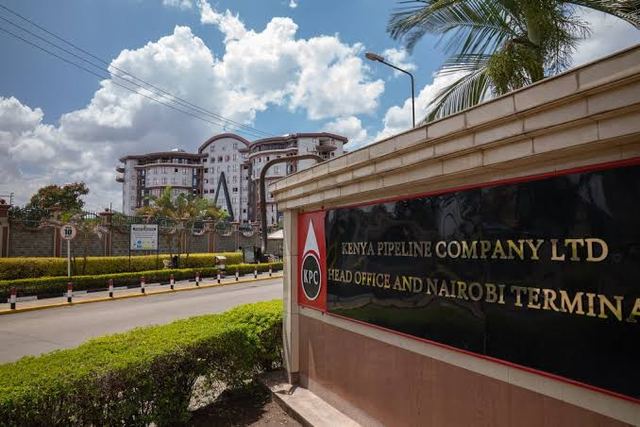
The headline figures around Kenya Pipeline Company’s Sh106.3 billion initial public offering were sold to the public as a triumph — the country’s first primary listing in eleven years, oversubscribed, and proof that Kenyans could still be persuaded to trust the Nairobi Securities Exchange with their savings.
New reporting complicates that narrative considerably, and the details matter to every Kenyan whose pension, taxes, or public assets were quietly drawn into propping it up.
According to multiple sources close to the transaction, including parastatal chief executives and stockbrokers, the government resorted to “strong-arm tactics” to keep the IPO from collapsing after high-net-worth investors and retail buyers snubbed the offer.
With days left before closure and less than 10 percent of the Sh106.3 billion target raised, attention reportedly turned to cash-rich State corporations, the National Social Security Fund (NSSF), and the Ugandan government — the only parties with the balance sheets to rescue a sale that needed at least Sh53.1 billion from more than 250 investors simply to proceed.
One parastatal CEO put it plainly: “There was a tacit order from above to buy the KPC shares. We had not planned to, but we bought.”
Three things about this arrangement should concern the Kenyan public.
First is the coercion itself. If the account is accurate, the government converted independent, commercially-run public entities into a captive buyer pool for a listing the open market had already rejected.
That is not privatisation in the sense the Treasury has publicly championed — introducing “market discipline” and “transparency” to a formerly state-run monopoly. It is the opposite: a state-engineered demand floor dressed up as investor confidence.
Second is the exposure of retirement savings. NSSF alone ended up holding a 22.2 percent stake in KPC, having pumped in Sh36.3 billion — making it the single largest shareholder after government.
This is not a footnote. Before the offer even opened, a Nairobi lawyer had formally warned NSSF and the Public Service Superannuation Fund against buying into KPC at Sh9 a share, citing fears the price was artificially inflated and that trustees risked breaching their fiduciary duty to millions of contributors.
Those warnings appear to have gone unheeded. Ordinary Kenyans whose statutory deductions fund NSSF now carry concentrated exposure to a single, freshly-listed, politically-engineered transaction — without ever being consulted.
Third is the opacity that followed. Regulatory filings later showed that 18 of KPC’s top 20 shareholders — controlling a combined 58.5 percent stake — sit behind nominee accounts, obscuring who actually owns the company the public was told it was buying into.
Only Uganda’s state oil company and Kenya’s Unclaimed Financial Assets Authority disclosed themselves as beneficial owners.
For a listing marketed as a model of transparency and broad-based ownership, an IPO where 90 percent of the largest holders chose anonymity undercuts the very accountability rationale the Treasury used to justify the sale.
Uganda’s last-minute intervention — buying roughly 20 percent of KPC in exchange for board seats and a veto over the CEO’s hiring and firing — further underscores how far the deal drifted from its original design once the market signalled it did not want in at the offered terms.
None of this means the KPC listing was without merit; removing a strategic monopoly from the direct grip of Harambee House bureaucracy carries genuine governance upside.
But a privatisation exercise built partly on coerced state-firm buying, unexamined pension exposure, and concealed ownership is not the clean market validation it was presented as. Kenyans — as taxpayers, pension contributors, and citizens owed transparency over how public assets are sold — deserve a full parliamentary or auditor-general inquiry into who ordered which institutions to buy, at what cost, and on whose authority.
It was a National Treasury lie. It could affect prices on the NSE