Sh190m Orthopaedic Boost at KNH: A Welcome Gift, But Patients Must Be the Real Beneficiaries
Patients needing bone and joint care at Kenyatta National Hospital (KNH) now have upgraded facilities, after a private-sector partnership refurbished three orthopaedic wards at the country's largest referral hospital
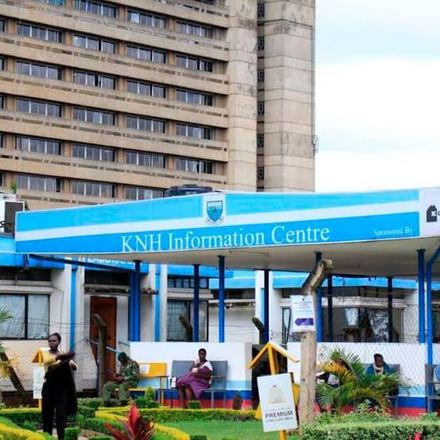
Co-operative Bank, through the Co-operative Bank Foundation, spent Sh102 million over six months to reconstruct and equip the three wards.
The work included new beds and medical equipment to support patients and healthcare workers. The facilities were handed over to the Ministry of Health and KNH management.
Health Cabinet Secretary Aden Duale said the investment was complemented by Sh58 million from Prime Bank and Sh30 million from the Nakumatt Molo Fire Victims Fund.
This brings total contributions to the orthopaedic facilities to Sh190 million. The two banks also donated 96 orthopaedic beds, while the fund provided 40 three-crank electric beds.
Mr Duale linked the project to the Nest 360 Newborn Unit, which delivered 136 modern beds and 3D printers to KNH. He said the two projects show the impact of public-private partnerships in advancing Universal Health Coverage (UHC), and that sustainable transformation of the health sector requires shared responsibility between government and the private sector
Why it’s a big deal to consumers
KNH receives patients referred from across the country for specialised treatment. Orthopaedic patients, including accident victims and people with fractures, spinal problems and mobility conditions, often face long stays and painful recoveries.
Modern beds, better equipment and improved wards can mean greater comfort, safer care and better working conditions for nurses and doctors. These are real gains for patients, and the donors deserve recognition.
The analysis: questions Kenyans should ask
Generous donations are not a substitute for a well-funded public health system. Cofek therefore urges the public, the Ministry and KNH management to keep several questions in view.
1. Will the upgrade lower the cost of care? Better wards do not help the patient who cannot afford admission, surgery or implants. The test of this investment is whether more Kenyans, especially low-income households, can access orthopaedic treatment under UHC and the Social Health Authority (SHA) framework. Management should say whether bed charges, waiting times and out-of-pocket costs will change.
2. Who maintains the equipment? Electric beds and specialised equipment need servicing, spare parts and trained staff. Hospitals across the country have received donated equipment that later sat idle or broke down. KNH should publish a maintenance plan and make clear which budget will fund it.
3. Is the process transparent? Public-private partnerships work best when the public can see what was donated, what it cost and how it is used. A public inventory of the equipment and beds, and a periodic update on their use, would build trust and set a standard for future partnerships.
4. What about hospitals outside Nairobi? KNH carries heavy pressure because patients are referred from across the country, often when county facilities cannot cope. Strengthening referral hospitals is useful, but lasting relief for KNH depends on stronger county and regional hospitals closer to where patients live. Otherwise demand at the national level will keep outpacing capacity, however many beds are added.
5. Do patients have a voice? Patients and their families should have clear channels to give feedback on cleanliness, staff conduct, waiting times and billing in the new wards. Consumer rights to safe, quality and affordable healthcare apply as much in a refurbished ward as in an old one.
The big picture
The project reflects a growing trend of corporates and foundations stepping in to fill gaps in public health infrastructure. This is welcome, but it should complement, not replace, sustained government investment. Health is a constitutional right, and patients should not have to depend on goodwill alone for dignified care.
Cofek commends Co-operative Bank, Prime Bank and the Nakumatt Molo Fire Victims Fund for their contributions, and the Ministry of Health and KNH for facilitating the partnership.
We now call on KNH and the Ministry to show that this investment is delivering better, safer and more affordable care for patients.
Cofek will continue to monitor developments in the health sector and champion the rights of Kenyan consumers.
Filed underCooperative, Bank, Kenya, Kenyatta, National, Hospital