Businessmen in Politics and Government: Mudavadi and Timamy to Pay Sh3 Billion for Absa's Kenyan Insurers
An investment company linked to Prime Cabinet Secretary Musalia Mudavadi and Lamu Governor Issa Timamy will pay Sh3 billion to take majority control of two insurers from South Africa's Absa Group, bringing back into local hands businesses the same investors sold more than a decade ago.
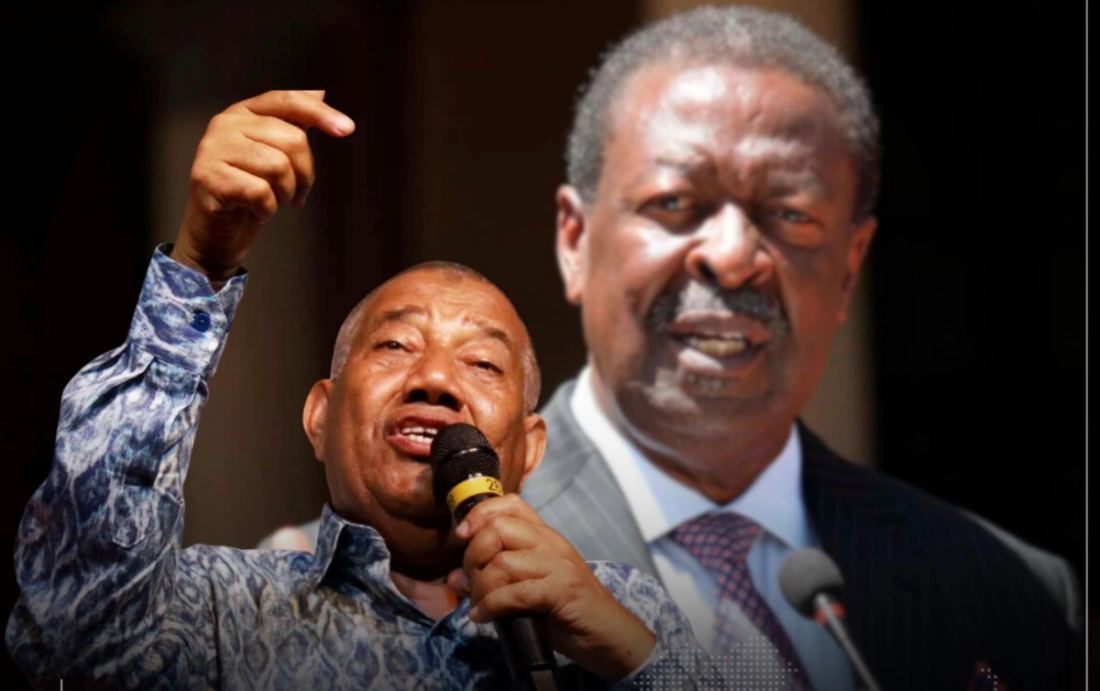
Absa confirmed on August 13, 2026, that it had signed a sale and purchase agreement to hand over its 63.32 percent shareholding in First Assurance Company and Absa Life Assurance Kenya to First Assurance Investments Limited (FAI).
The price was not disclosed at the time, and sources close to the transaction had suggested Absa would seek at least Sh3.8 billion for the two stakes.
The Sh3 billion figure now reported points to a discount on those early expectations.
For the buyers, it is a full circle. Mudavadi and his partners in FAI are buying back the shares they sold to Absa, then Barclays Africa, in 2015 in a Sh2.2 billion deal.
Who owns what
Registry records show FAI is 52.5 percent owned by Syndicate Nominees, a company Mudavadi told Parliament he owned during his 2022 vetting, while Exclusive Holding Limited, a Mombasa-rooted investment firm, holds the remaining 47.5 percent.
Regulatory filings and court papers show Governor Timamy is a director and shareholder of FAI, with Exclusive Holding associated with him.
Through FAI and a direct 12.35 percent holding via Syndicate Nominees, Mudavadi has an effective 21.26 percent stake in First Assurance.
Why Absa is leaving
The exit is strategic rather than distressed. Absa sold its insurance manufacturing businesses in Botswana, Mozambique and Zambia in 2025, and the Kenyan sale extends that pattern. The bank will keep earning from insurance by selling policies through its branches, without holding capital against claims.
Absa Bank Kenya's bancassurance business made Sh1.3 billion in profit in 2025 after growing 35 percent, while Absa Life's profit fell 26 percent to Sh790.1 million.
At the same time, Absa is doubling down on banking, raising its stake in Absa Bank Kenya to 85 percent from 68.5 percent in a Sh30.9 billion deal.
When politicians are also dealmakers
The transaction is legal on its face, and Mudavadi's interests were declared publicly. Yet it revives an old Kenyan question: how should the state manage senior officials who remain active businessmen?
Mudavadi, as Prime CS, coordinates government business across ministries, including the Treasury-linked agencies that shape financial regulation. Timamy runs a county that procures insurance and other services.
The deal still needs approval from the Insurance Regulatory Authority, a body ultimately answerable to the executive in which Mudavadi sits. Even without any wrongdoing, that proximity invites scrutiny of how the approval is handled and how quickly.
Supporters will argue that Kenya benefits when experienced local investors reclaim strategic financial assets from foreign groups, and that public service should not require people to abandon legitimate business built before office.
Critics will counter that the Leadership and Integrity Act exists precisely because the line between public power and private gain is easy to blur, and that blind trusts or stricter recusal rules remain largely untested in Kenya.
The insurers themselves are not small. Absa Life ranks seventh among life insurers and First Assurance thirteenth among general insurers, in a market where insurance penetration is around 3 percent. Whoever controls them will influence a sector the government is trying to grow.
The real test lies ahead: transparent regulatory review, full disclosure of the final price, and clear recusal by the officials involved.
Handled openly, the deal could be a model of a local buyback. Handled quietly, it will add to public doubt about whether those who make the rules also play by them.
Filed underMudavadi, Timamy, Insurance, Absa, Cofek