Judge rejects State firm's bid to block the case, ruling that public ownership gives no shield from insolvency law
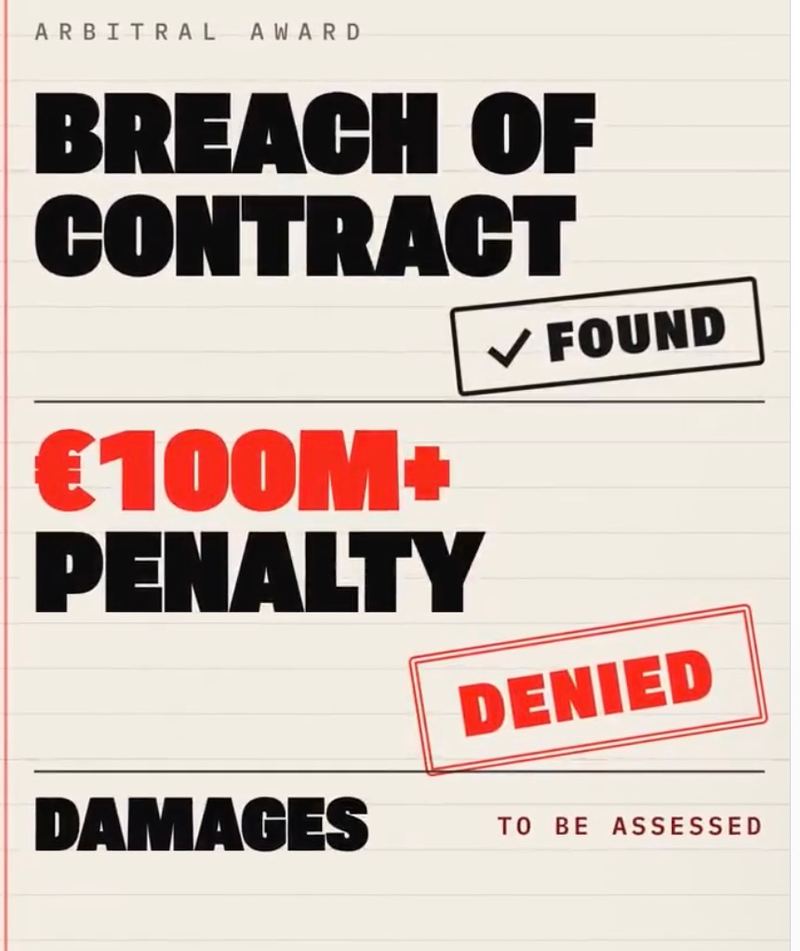
The tribunal found Ketraco in breach. In 2019, it awarded the contractor €37.37 million (about Sh5.4 billion), plus interest. It also awarded Sh102 million in legal fees, Sh83.5 million in arbitral costs and Sh2 million in administrative expenses.
The High Court has cleared the way for a Spanish contractor to seek the liquidation of Kenya Electricity Transmission Company (Ketraco). The case concerns an unpaid award of about Sh10 billion.
The court dismissed Ketraco's preliminary objection. It ruled that government ownership does not exempt the company from insolvency proceedings. It also ruled that a creditor does not need Cabinet approval before filing a liquidation petition.
The decision is a setback for the parastatal. It is also a warning to other State corporations that count on public status to avoid their debts.
How the dispute began
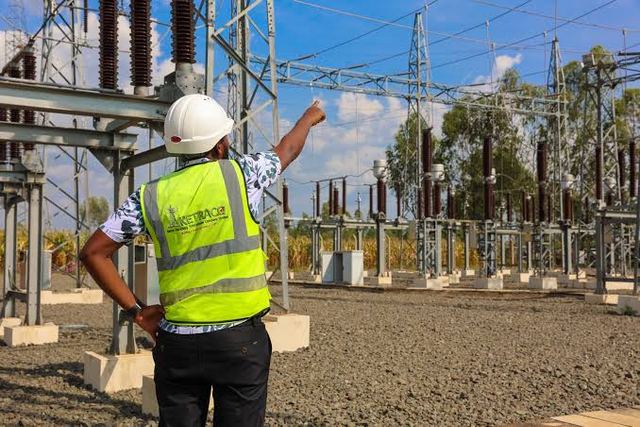
In April 2013, Ketraco awarded two contracts to Spanish firm Instalaciones Inabensa SA. They covered the 400-kilovolt Lessos–Tororo transmission line and the extension of the Lessos substation. The projects were meant to support electricity trade between Kenya and its neighbours.
Ketraco terminated both contracts on April 25, 2016. It cited unpaid payments and poor performance. Inabensa challenged the termination in arbitration.
The tribunal found Ketraco in breach. In 2019, it awarded the contractor €37.37 million (about Sh5.4 billion), plus interest. It also awarded Sh102 million in legal fees, Sh83.5 million in arbitral costs and Sh2 million in administrative expenses.
The High Court recognised and enforced the award in February 2021. Ketraco fought on. It went to the Court of Appeal and then the Supreme Court. Both failed to overturn the decision.
The debt has since grown. A November 2025 High Court ruling put the claim at €62.67 million (about Sh10 billion), plus Sh195.31 million as at February 2024. That figure excludes further interest.
The liquidation petition
C.A. Infraestructuras T&I SLU filed the petition on May 8, 2024. It says it acquired the award from Inabensa through a deed of subrogation dated July 28, 2023.
Ketraco raised several objections. All of them failed.
Ketraco's arguments and the court's answers
First, Ketraco said the matter was sub judice. It argued that another case on enforcing the same award was still pending. The court declined to settle the overlap at this stage. It said the parties disputed both the subject matter and the identity of the creditor.
Second, Ketraco said a foreign company must be registered locally to sue in Kenya. Justice Mugambi rejected this. She said the real question was whether the claimant had a genuine stake in the dispute. Local registration was not the test.
Third, Ketraco said it could not be liquidated without Cabinet approval. It cited sections 27(b) and 28 of the State Corporations Act and section 86(1) of the Public Finance Management Act.
The court disagreed. It found that the company remains subject to the Companies Act and the Insolvency Act. No law expressly exempts it from the general insolvency regime.
The judge was blunt. The court "cannot create by implication an immunity that Parliament chose not to enact." She added that section 86(1) neither ousts the court's jurisdiction nor makes Cabinet approval a precondition to a creditor's petition.
The creditor question remains open
The ruling does not settle who the rightful creditor is. Ketraco argues that the petitioner is a stranger to the award. It says the petitioner's claim has never been recognised.
The court noted that the original decree holder was Inabensa. C.A. Infraestructuras says it succeeded to those rights through the July 2023 deed. It also relies on a Spanish court order dated April 18, 2023, which Justice Rutto recognised in Kenya on June 25, 2026.
The judge held that the competing positions "cannot be reconciled without evidence." That question goes to the full hearing.
Analysis: why the ruling matters
The ruling carries four lessons.
Public ownership is not immunity. State corporations are companies first. Where Parliament has not granted protection, courts will not invent it. That principle reaches beyond Ketraco.
Arbitral awards must be honoured. Ketraco lost at every stage. It still did not pay. A debt that survives the Supreme Court and keeps growing shows the cost of delay. Taxpayers eventually bear it.
Foreign investors gain confidence. Kenya courts a global pool of contractors for infrastructure. Those firms need to know awards are enforceable against State entities. The court's rejection of the local-registration argument supports that.
The public interest cuts both ways. Liquidating a power-transmission company could disrupt electricity supply. The court has not ordered that outcome. The petition is only alive. Yet the risk shows why Ketraco should have settled or managed the debt earlier.
Questions for accountability
Several questions now demand answers:
- Why did a termination in 2016 grow into a Sh10 billion liability?
- How much of that growth is interest and legal costs from prolonged litigation?
- Who in Ketraco authorised the decision to terminate, and was it sound?
- Has Ketraco set aside funds to settle the award?
Sh10 billion is public money. Years of appeals have not made the debt disappear. They have made it larger.
What next
The full hearing will decide the identity of the rightful creditor. It will also test whether Ketraco is insolvent. Both questions need evidence.
Ketraco may appeal the ruling. Or it may negotiate a settlement. Either way, the message is plain. State entities cannot lean on their status to avoid obligations. Where the law gives no shield, the courts will not supply one.
Filed underKETRACO, Loans, Kenya, Default, Cofek